
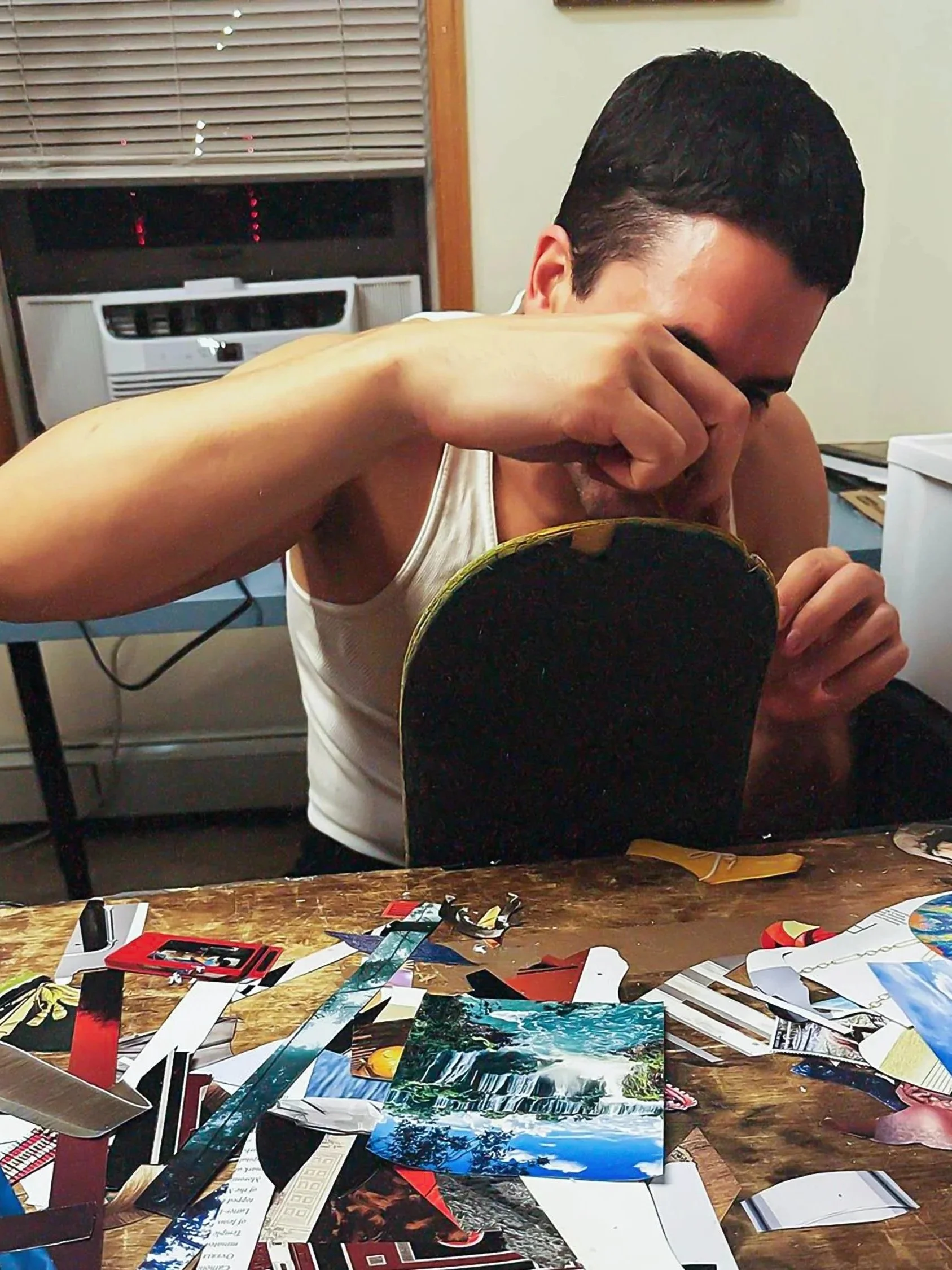
“I never approach a new work with any agenda, because even I am ignorant of the ways in which the piece will develop over time.”
— Joe Bertino
TV: Hi Joe, I’m excited to learn more about your work and your process. We first met during the group show we did, South Brooklyn Salon in December of 2023. Your work has changed a lot since then and continues to transform. I’m curious, did you have early exposure to art that influenced the work you make today?
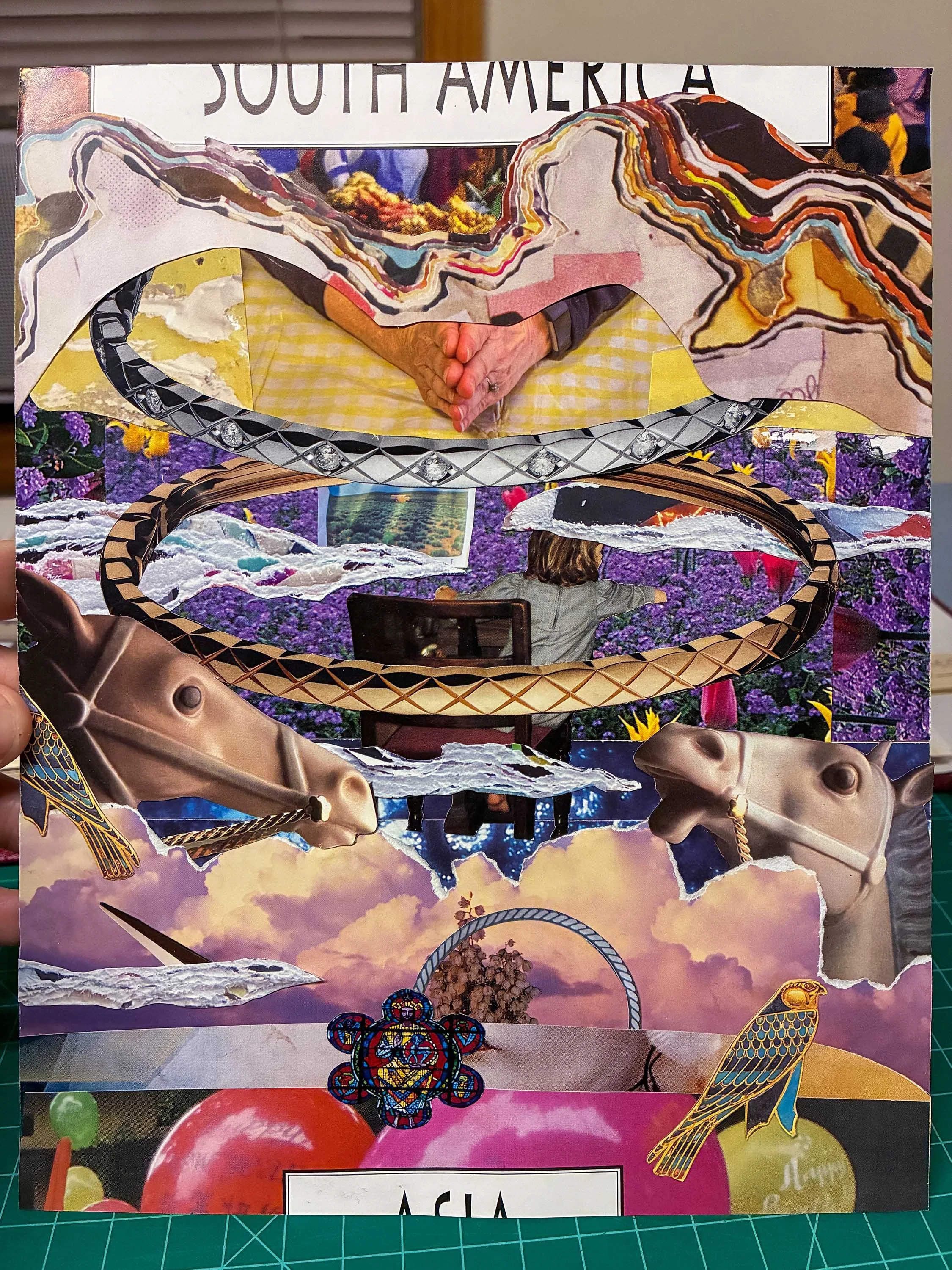
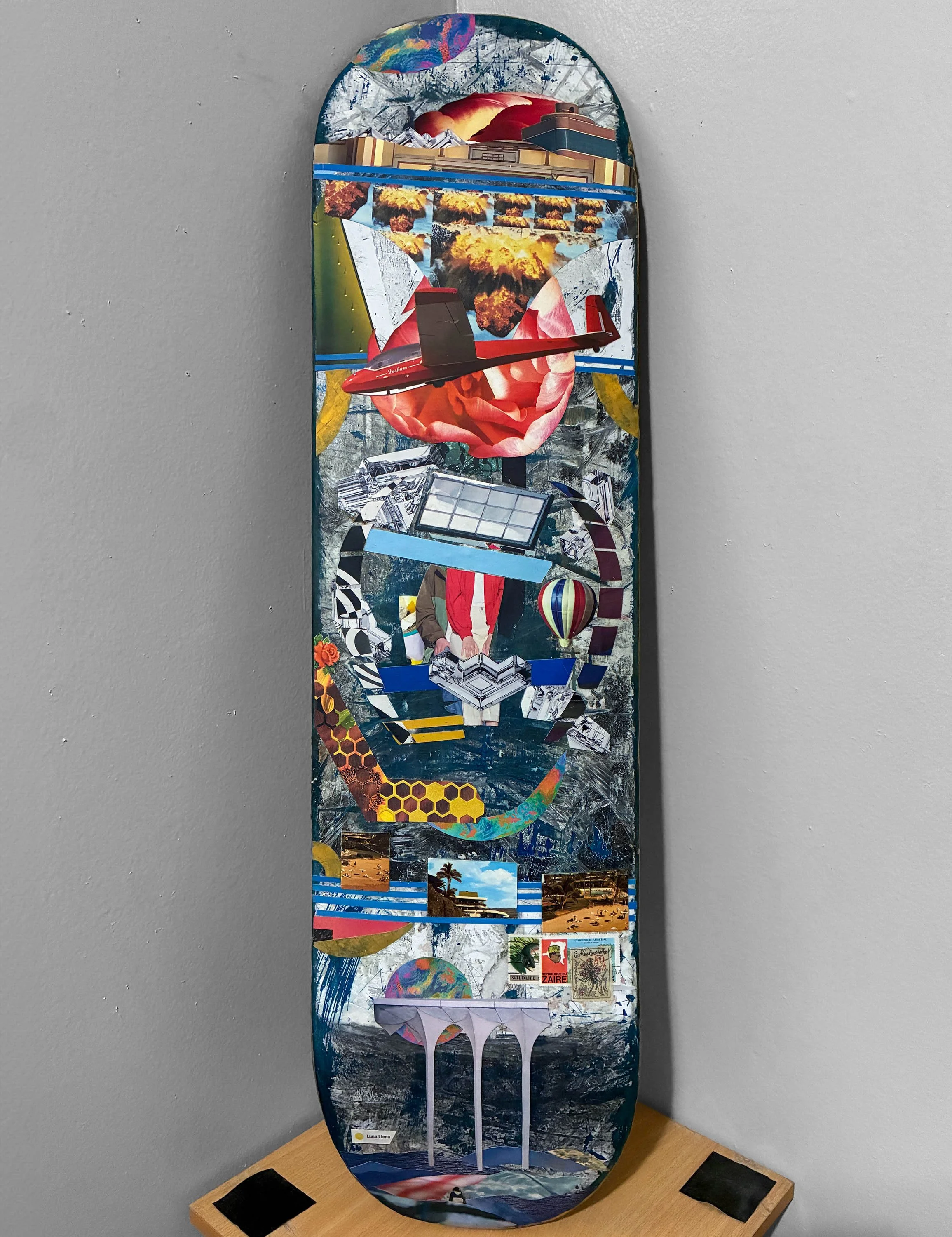
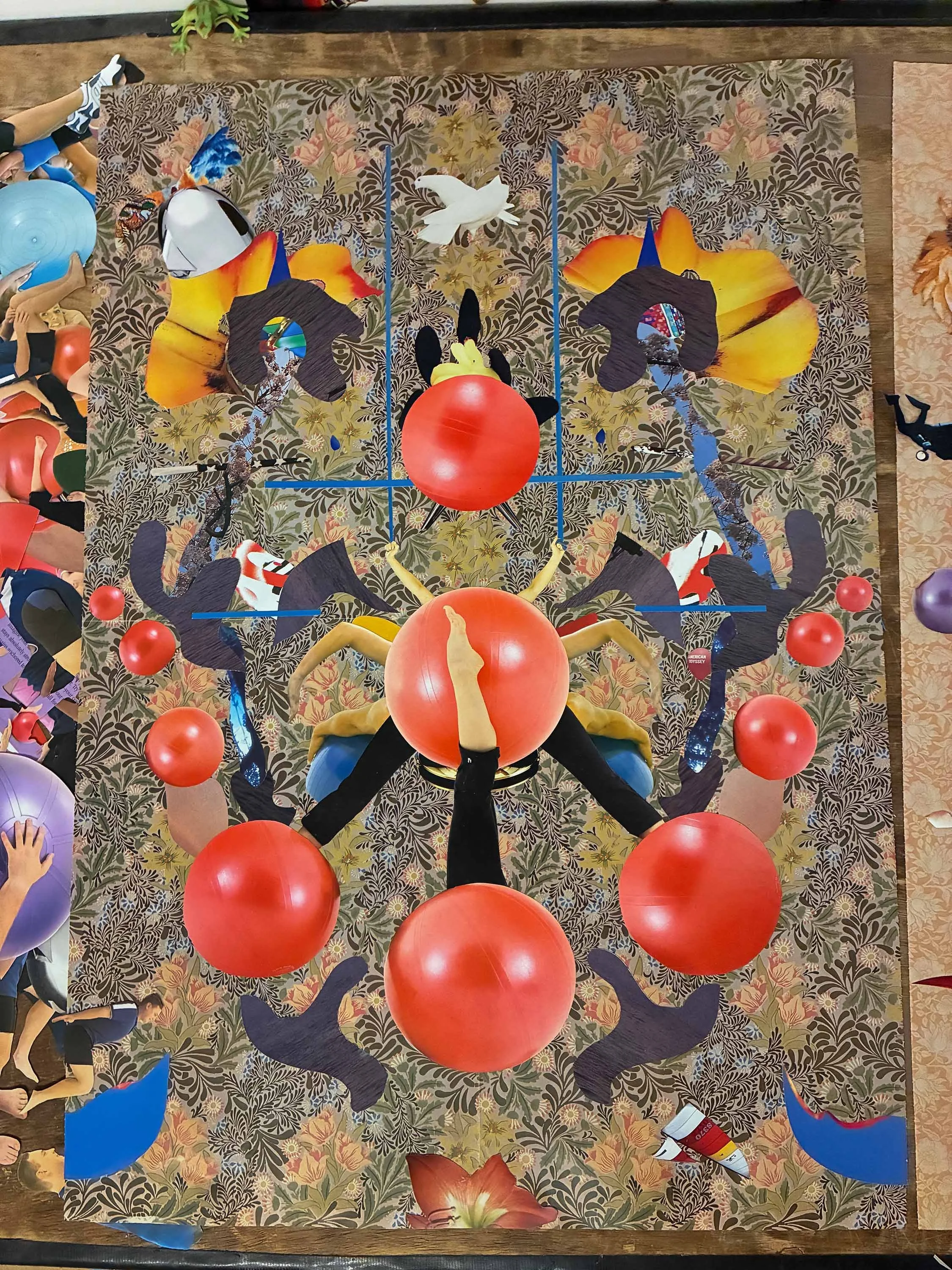
JB: As far as influences go, nothing had more of an impact on my fluidity of style, content, and genre than the music I was listening to late in high school. Tons of sound collage and turntablism, artists like The Books and Kid Koala. Their compositions (or the ones I connected with) tend to be maximalist, packed to the brim with snippets and traces of wild combinations of sounds and noises. It’s pure joy to listen to their songs 40 times over and still discover new elements buried in the mix, or right under your nose, that I didn’t catch the first 39 times. These artists expanded my idea of what music could be and contain, and cemented the idea for me that in any artistic medium, no source material is off limits, and anything can be fitted and formatted to complement the whole. I think collage’s immediate sense of freedom is what drew me to the art form across various pockets of my life; sound, visual, and even poetry, which is just a collage of words. With collage, intrinsically, there aren’t any rules to break. Anything can be related to anything by the simple act of willing it. For instance, I can depict a fragile sapling by cutting up a toaster.
TV: That’s happened to me so many times with music, especially when I listen to something I know very well through a different sound system, or different headphones; I notice subtle things in the mix that never stood out before. It’s amazing how those early influences stay with each person and have different effects, sort of like the immunological fingerprint, how each person’s immune system collects and responds to the different bacteria and viruses they encounter throughout their lives. Have these influences ever inspired you to intentionally respond to another artist’s work?
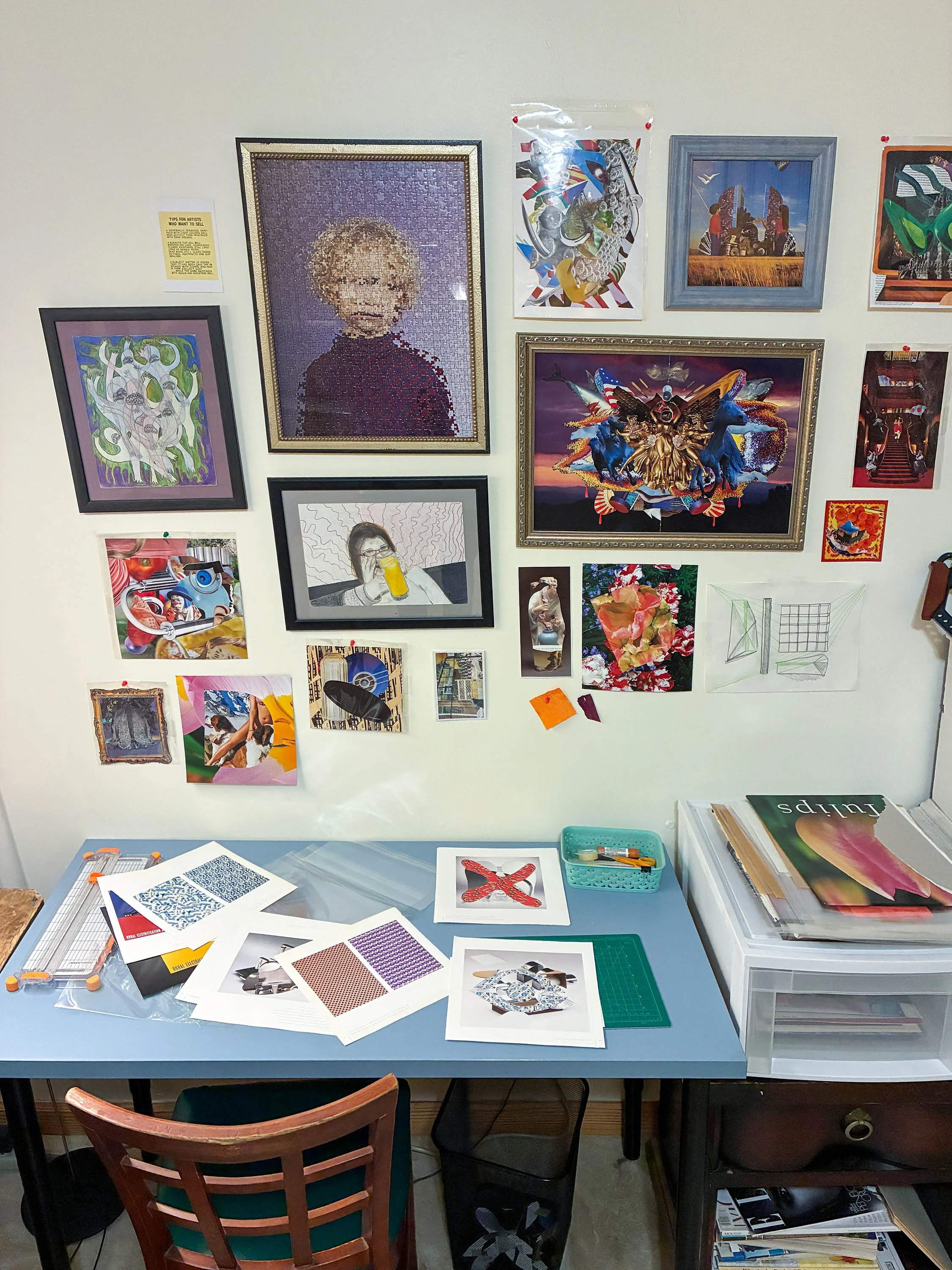
JB: In addition to analog collages, I have a digital collage project called Denomin8r (@denomin8r) where I use code to transform digital images. At a low level, I’m just slicing and rearranging huge integer matrices. In the analog world, modifying your source material leaves an artifact behind, whether it be a jagged edge from tearing paper, or even a super-thin bevel from a fine slice with a nice X-Acto knife. Since the Denomin8r project aims to translate analog collage processes like cutting and pasting to the digital realm, I became curious about what kinds of “artifacts” I could produce with the digital tools I was creating and using. And what would happen if I fed the output of the process, artifacts and all, back into the process? And what if I did this 10,000 times?
I ended up generating the collage equivalent of Alvin Lucier’s I Am Sitting In A Room, a conceptual audio masterwork from the 60s where a recording of human speech is played into an empty room and re-recorded in that same room, over and over again, with all ambient feedback and reverb passively layering itself onto the recording at each turn, until the signal devolves into complete noise. It’s a profound, wild experience and is considered a pivotal work in experimental minimalist music. I’m proud that I found a way to apply Lucier’s principles to the medium of collage. I called the project I Am Cutting In A Computer.
TV: That’s interesting because I know Lucier was himself inspired by John Cage, who I’m familiar with for his musical piece As Slow As Possible, which since 2001 has been playing on a special organ and won’t be done until the year 2640. That is an intense and hilarious attempt at long-term influence. What influence do you hope people will get when they encounter your work?
JB: The greatest compliment I’ve received about my work was from my buddy Dan at Sugarhill Works in Harlem (@sugarhillworks). He said, “I know there’s a story here, I just don’t know what it is.” And at that moment I felt totally seen and understood. Because I don’t make art for other people, ever. Creation for me is a process of encoding and decoding my experiences until I’ve determined what they mean. And I stop once that meaning becomes clear to me. I imagine most pieces I make are like those illustrations that appear on random pages within a kid’s book: a stripped-down snapshot of the protagonist on their journey, taken completely out of context. I’m struggling to find meaning in the chaos as much as anyone else. So I expect the viewer to feel awed or even confused. Like, “what’s happening here?” I want them to figure that out for themselves. I want to give them something to think about, something to solve. Through collage, I can be abstract and coy and mysterious while employing concrete objects to form the composition. So you can still make out the trees while being lost in the forest. I want people to feel lost but safe, safe to get even more lost, knowing they can return at any time.
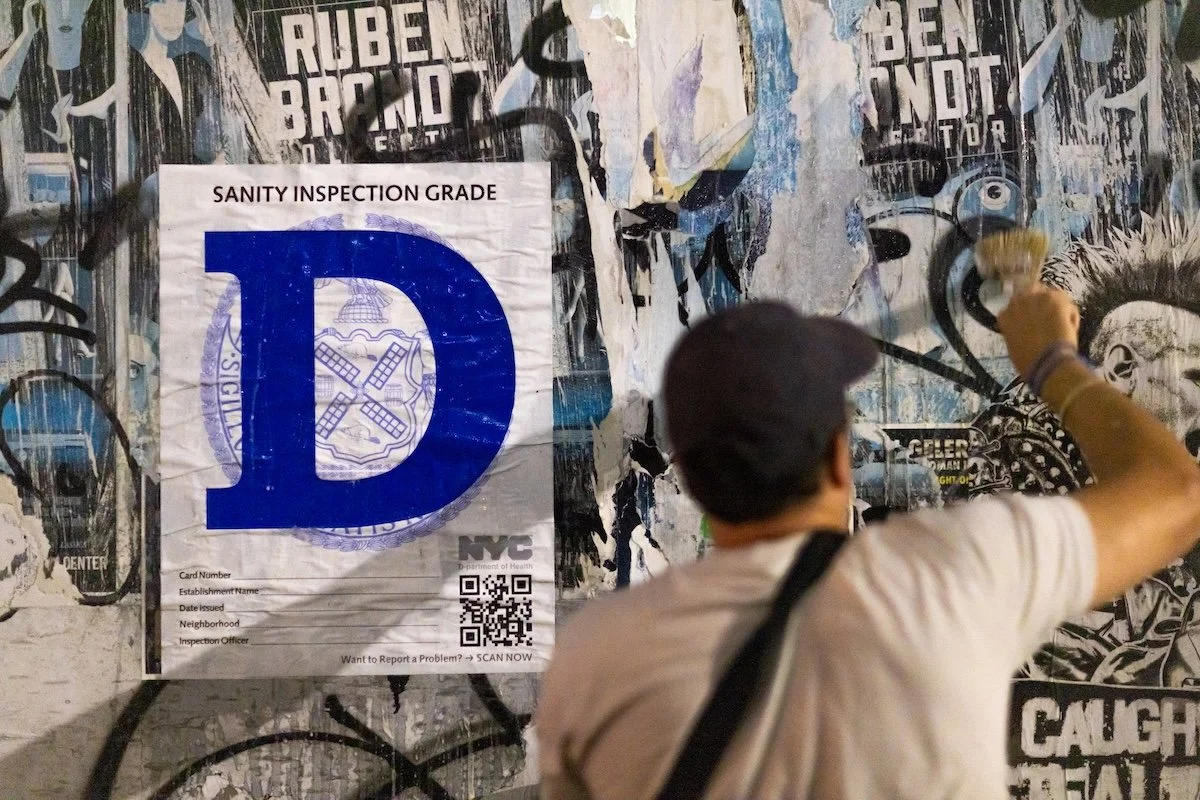
TV: That’s a pretty good figure of speech: the safety to get lost. Being lost is implicitly scary, but compelling, nonetheless, and a classic proverb for how to truly find yourself. Have you ever created something that deeply surprised you?
JB: Collage works in mysterious ways, and some experiences or discovered connections have truly risen to the level of fortuitousness only seen in big-budget rom-coms. One particular example was when I was developing a music mashup that commented on catcalling and public harassment of women as sex objects (“Holla Back”). Initially, I was using a lot of sound bytes from the ’90s TV show TV show The Fresh Prince of Bel-Air…it turns out he was kind of a dog! I’m also a huge Seinfeld fan, so I sourced that show for a lot of material as well. One stand-out quality of the “Elaine” character is that she is quite strong willed and outspoken, perhaps even a feminist for her time. I admire how often she’s portrayed challenging casual sexism from the male characters on the show. Anyway, it was not until I was very close to finishing my mashup that I realized that the very first audio clip in my song was of Will Smith coming on to a woman whom he refers to as “Exotic Elaine”! When I actually processed this coincidence, my jaw dropped. I was reminded of the almost divine power of collage to link the most seemingly unrelated ideas. This is the reason I never approach a new work with any agenda, because even I am ignorant of the ways in which the piece will develop over time. “I am but a vessel.”
TV: That’s funny, because Exotic Elaine is the name of the woman in Girls Ain’t Nothing But Trouble, the song by DJ Jazzy Jeff and the Fresh Prince. I guess they carried that reference over to the show. So aside from inspiration, what does it take for you to be comfortable and make work?
JB: Simply the willingness to be entertained by the diversion of art. Prior to sitting down in my studio, I need to set the intention that my only expectation from the creative process is to enjoy it. Putting on music helps, even talking with friends on the phone, so long as they forgive my occasional absence of attention, or focused silence. Once I remind myself that I make art purely for my own enjoyment, then it becomes enjoyable.
TV: That sounds like an enjoyable approach to being in the studio. It’s a difficult mindset to avoid making work for an audience. I mentioned earlier, your work continues to transform. You’ll be debuting your new series Thaw Pieces at your upcoming solo show at the gallery. What do you want people to know about this latest body of work?
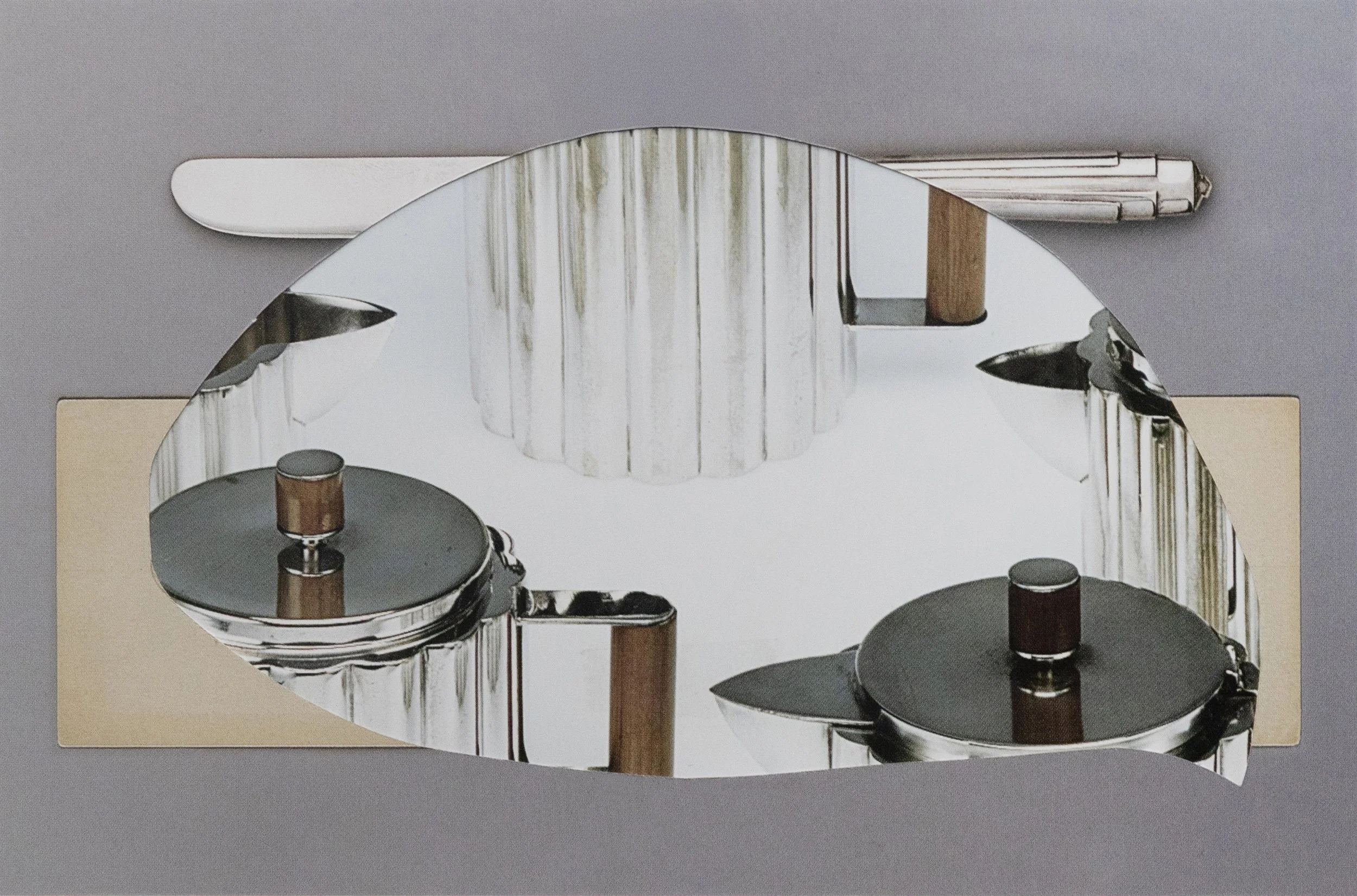
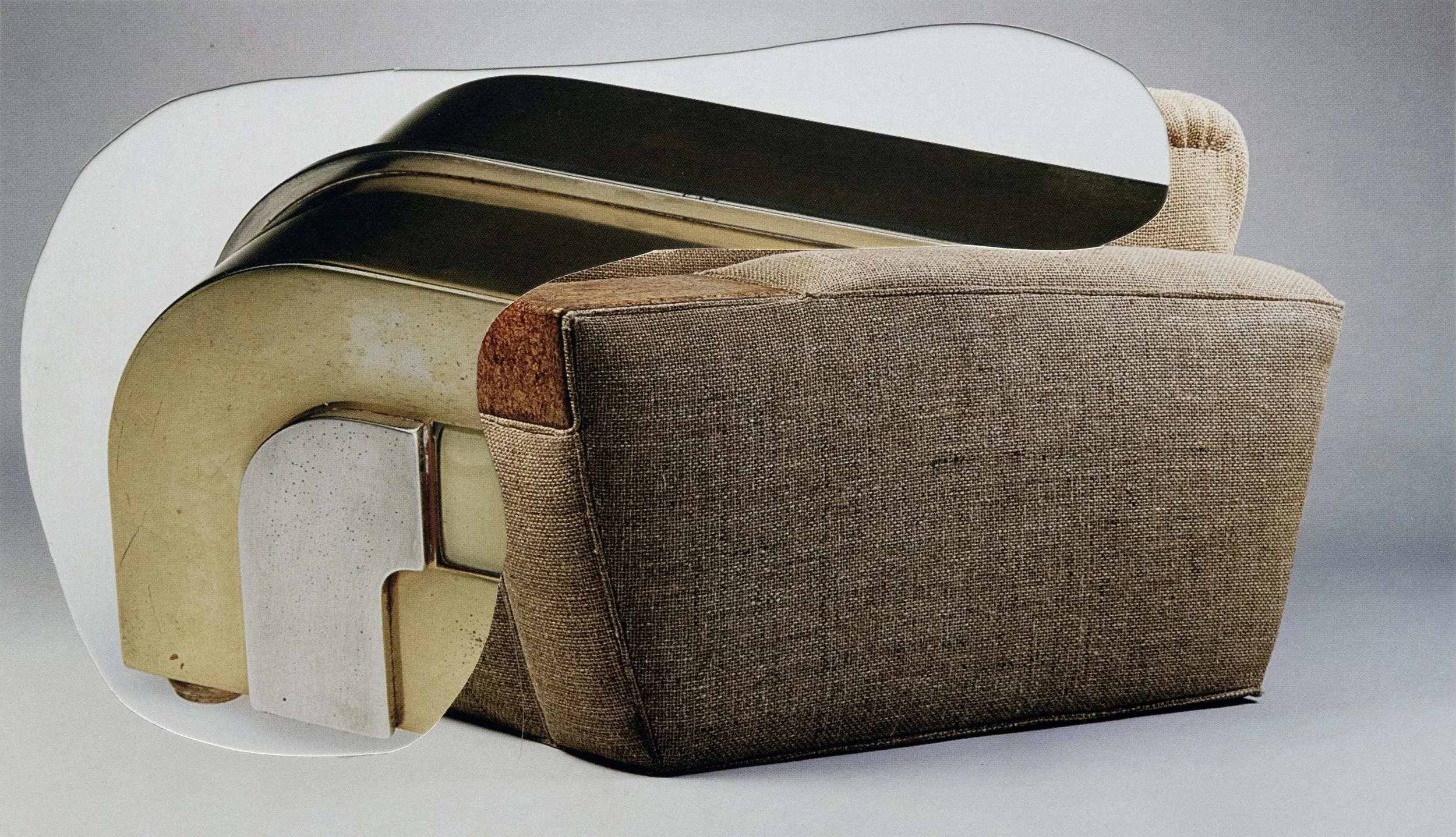
JB: This series is a major departure for me stylistically, in that it is as minimal as you can get, from a technical standpoint. Each work consists of only two source materials, and most often employ one single cut. The scenes are tranquil and steady, not wild and frenetic. But I have retained my powers of abstraction, of suggestion, with my limited palette. Perhaps this is the direction I continue to grow into as I create more. After all, I feel like I most connect with minimalist artists like Sol LeWitt and Carl Andre. I’d like to learn how to make collages that are brutally simple but also brutally powerful. I guess Thaw Pieces is as good a place to start as any, just as a great oak tree starts from a tender sapling. This series then, can signal not only transitions in the general sense, but also my personal transition as an artist. My departure from maximalism to minimalism, if I want it to.
TV: I really like where your work and your mind have been going with these pieces and I’m excited for the show. It’s interesting how conscious you are of where your process is taking your work and how it fits into your evolving ethos.
Thanks so much for doing this, Joe. It’s been really fun to go deeper into what you do.
Joe Bertino lives and works in Brooklyn, New York