
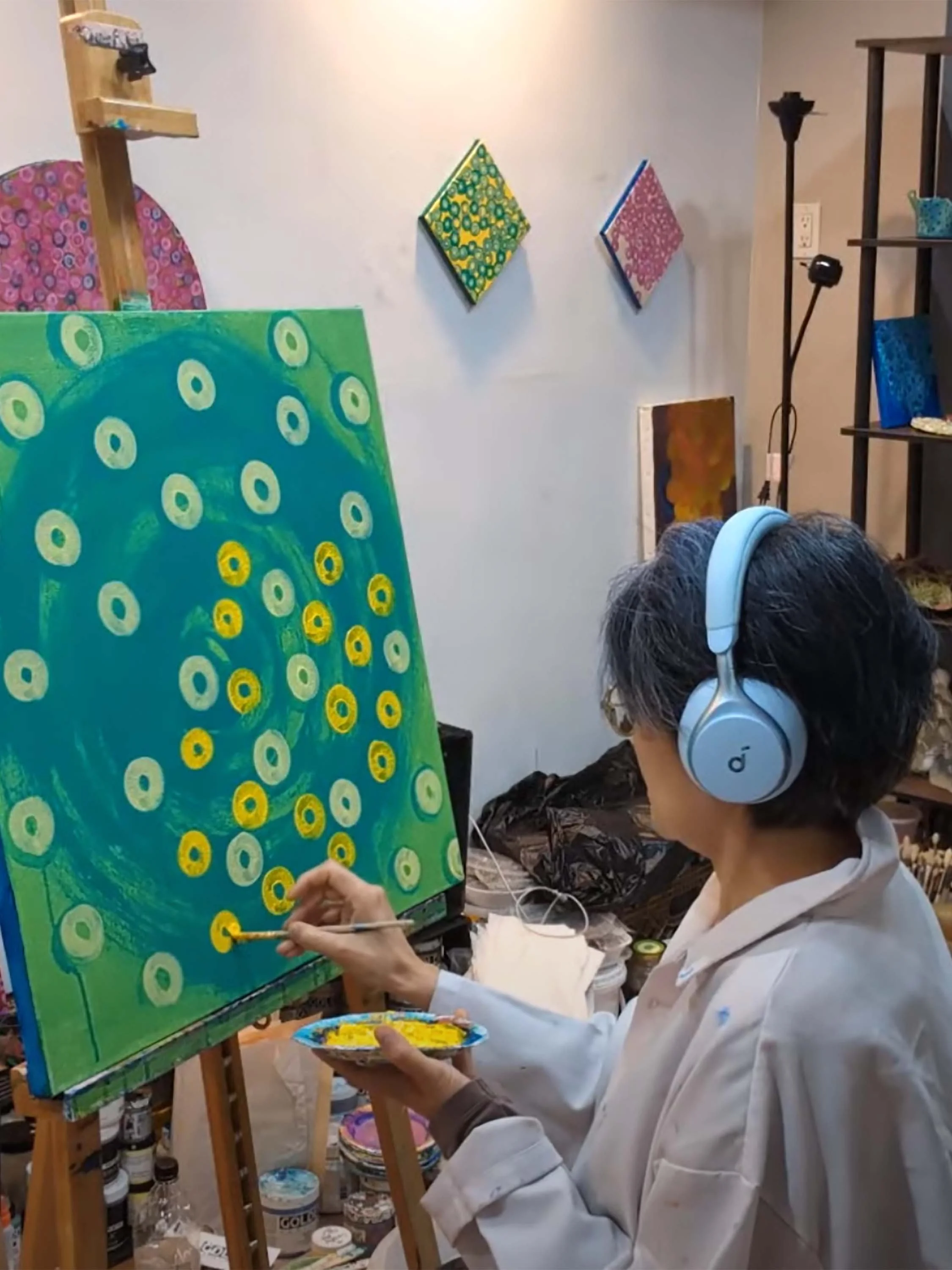
“Making artwork is a collaboration between the piece and me. I listen to it, respond to it, and adjust things. Sometimes I become too aggressive and try to force the work to follow what I want. Then it starts to ignore me.”
— Sophia Chizuco
TV: Hi Sophia, I’m so glad to have the chance to learn more about your work. We first met during the sprawling South Brooklyn Salon show you were in back in December of 2023. You had a solo show at the gallery in 2024, and you’ve continued to expand your presence in the NYC art scene. I’d love to hear more about your history and how you got started as an artist. How did early exposure to art influence the work you make today?
SC: When I was five years old, my family moved to the U.S. for a year while my father was studying, and afterward we traveled to Europe. I vaguely remember going to classical music concerts in Vienna and Prague and visiting museums like the Louvre in Paris. My father really wanted to show us different cultures. I didn’t understand everything at the time, but I remember the feeling. After we returned to Japan, I was confused. I thought it was the next city in the U.S. or Europe. I think those early experiences influenced me deeply and made me want to create my own work.

TV: It’s very understandable how an early odyssey like that would give you ideas and goals about what you could accomplish. Do you remember any early artists who influenced you? Can you share any of those experiences?
SC: Leonardo da Vinci for sure. I went to the Louvre when I was five years old. I saw the Mona Lisa and heard that she was very famous. At that time, there were only stanchions, not like the security today. I stepped forward and touched the frame before the guard gently picked me up and placed me back behind the stanchions. I didn’t really understand why the painting was so famous, but I remember the atmosphere and the feeling around it. When I went back to Japan, I told my parents that I wanted to become an artist. I think something about that experience inspired me to start creating paintings.
TV: That is a fantastic memory and surely was inspiring at such a young age. No wonder DaVinci has remained in your psyche. He’s famous for starting projects and paintings and setting them aside or never finishing them. Are you the same way? How do you know when a piece is finished?
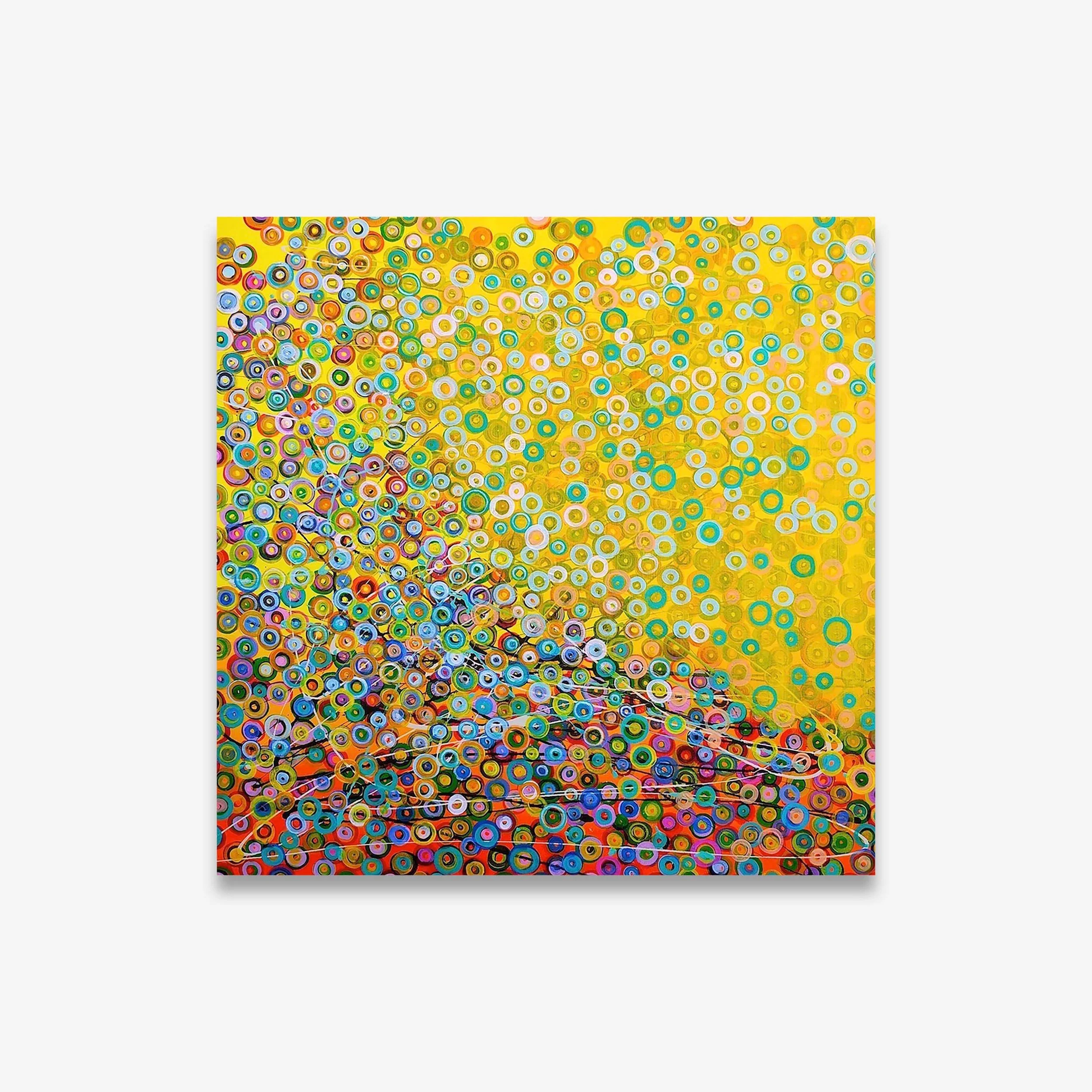
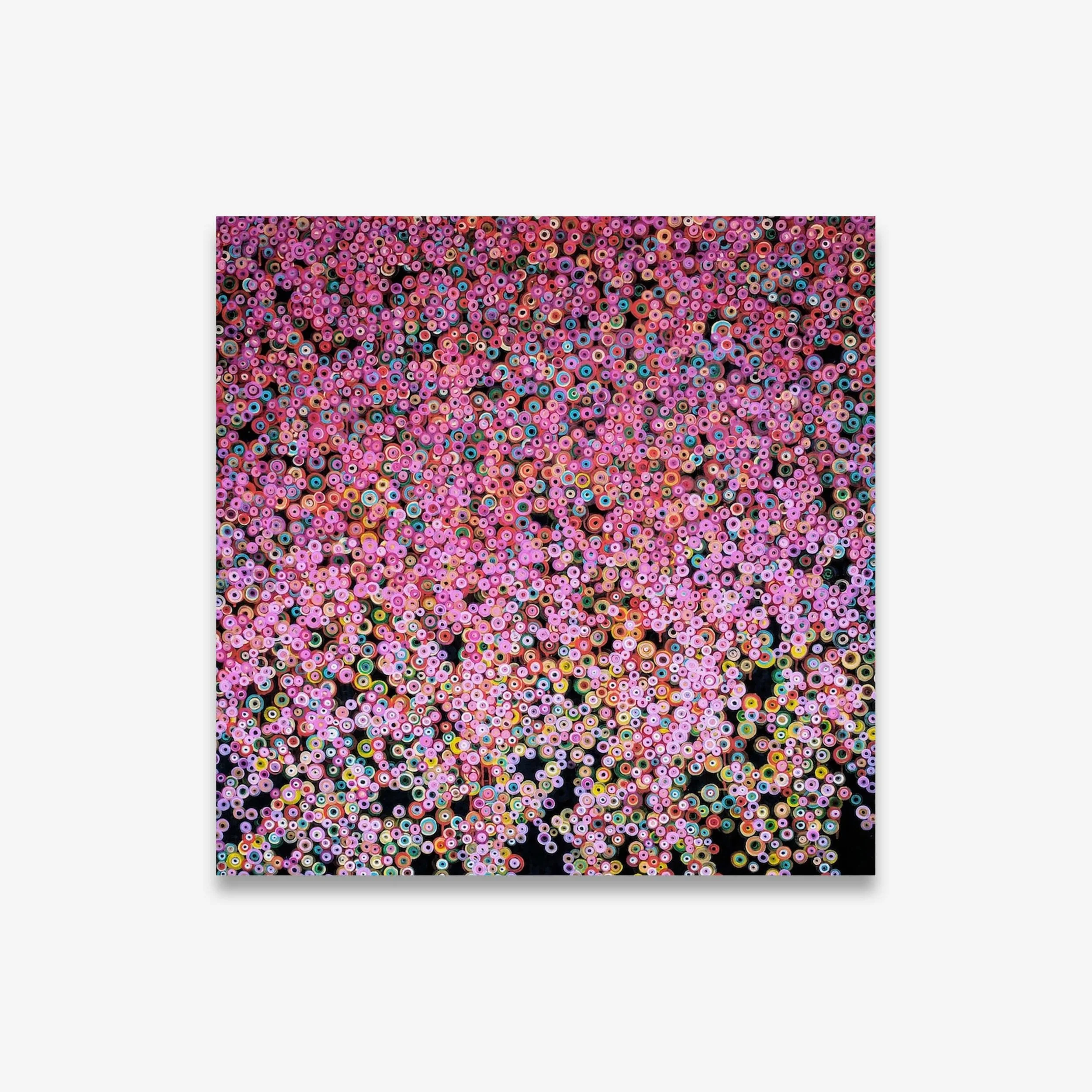
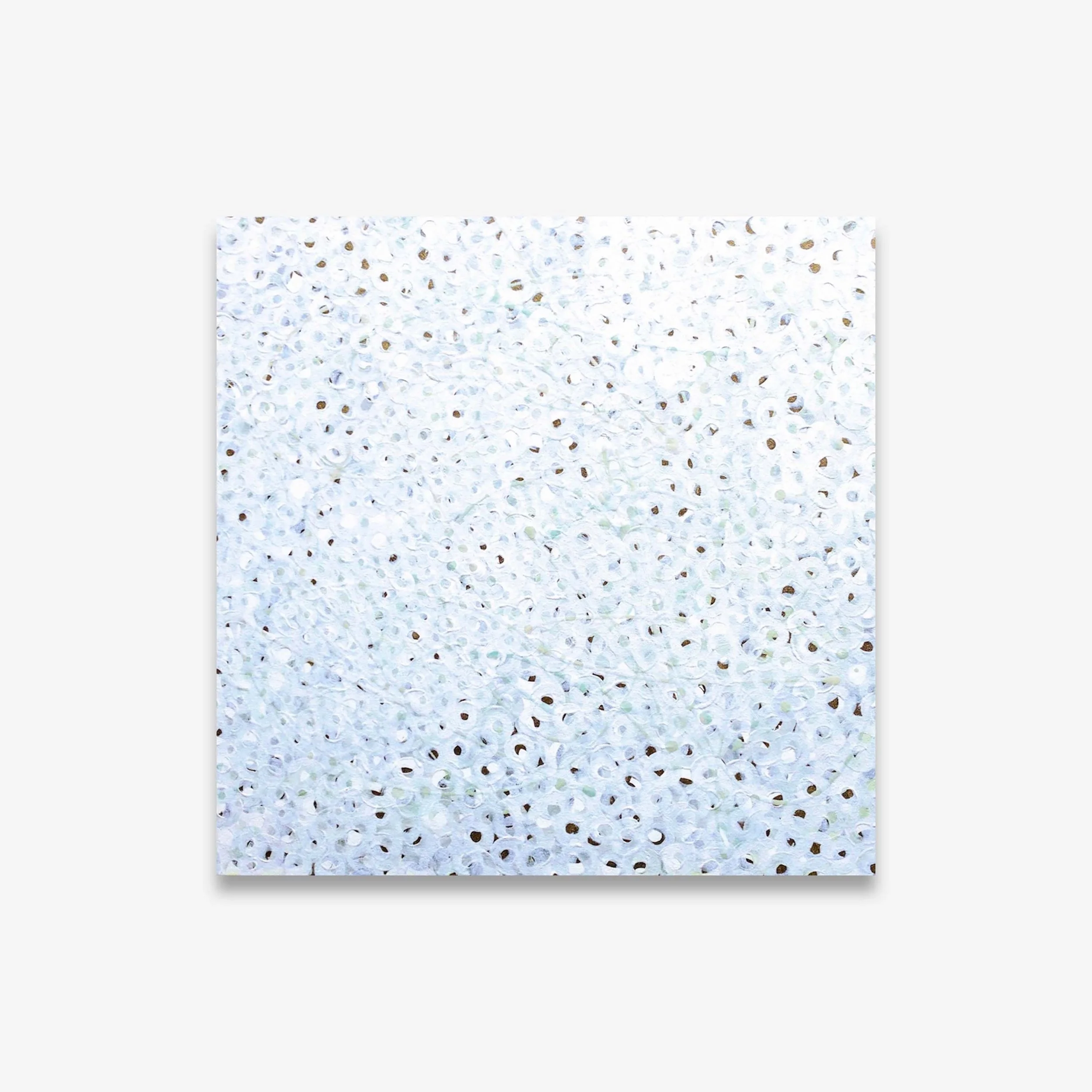
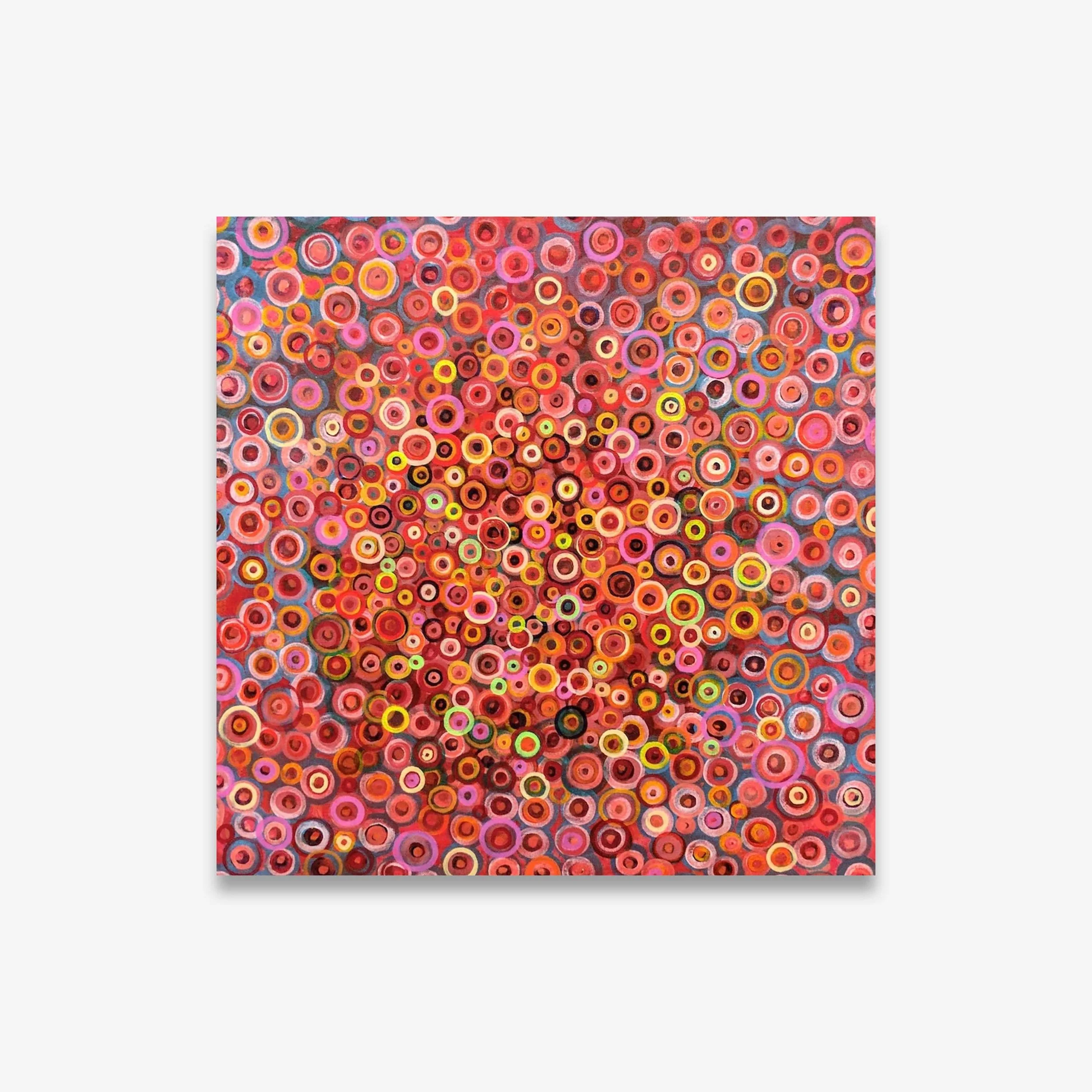
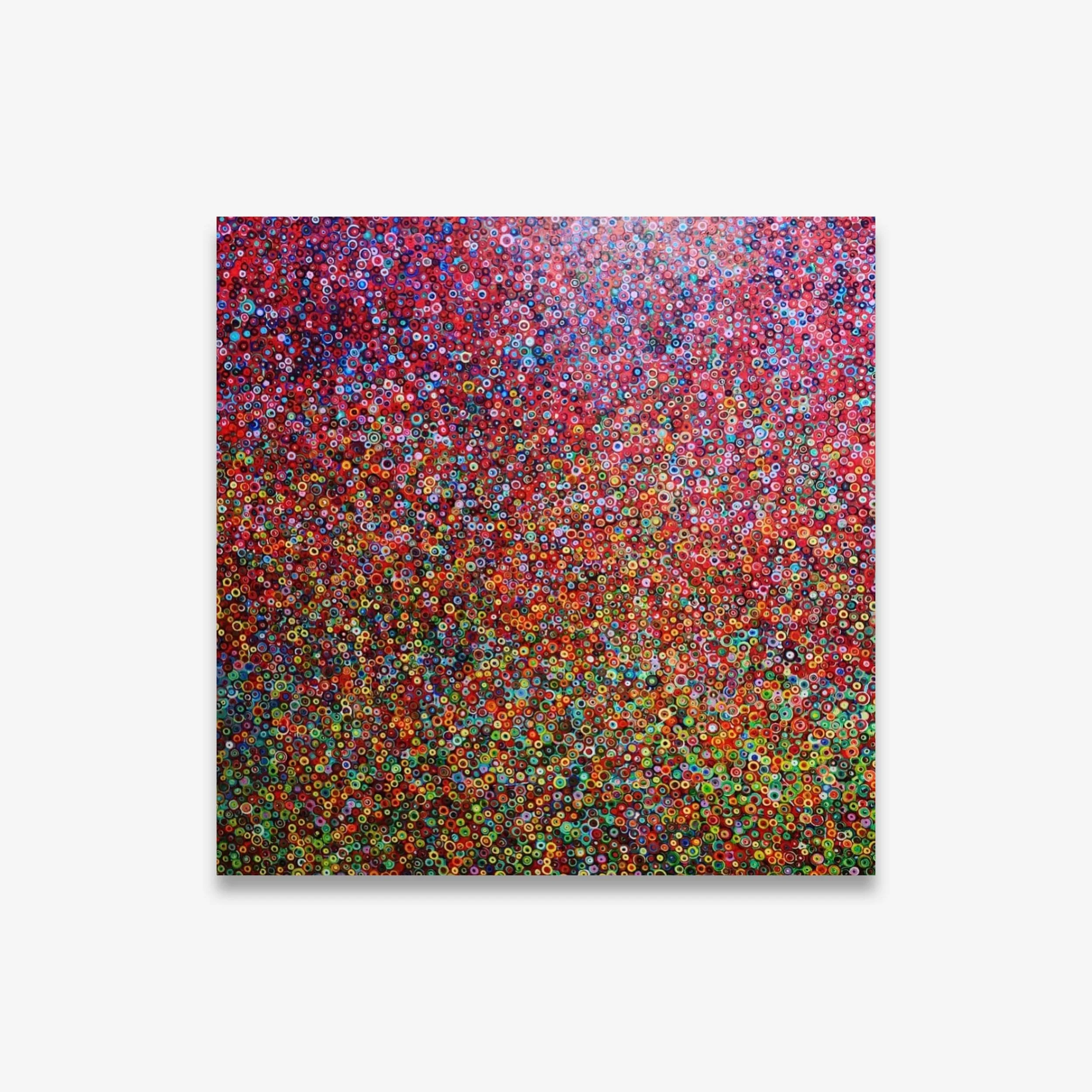
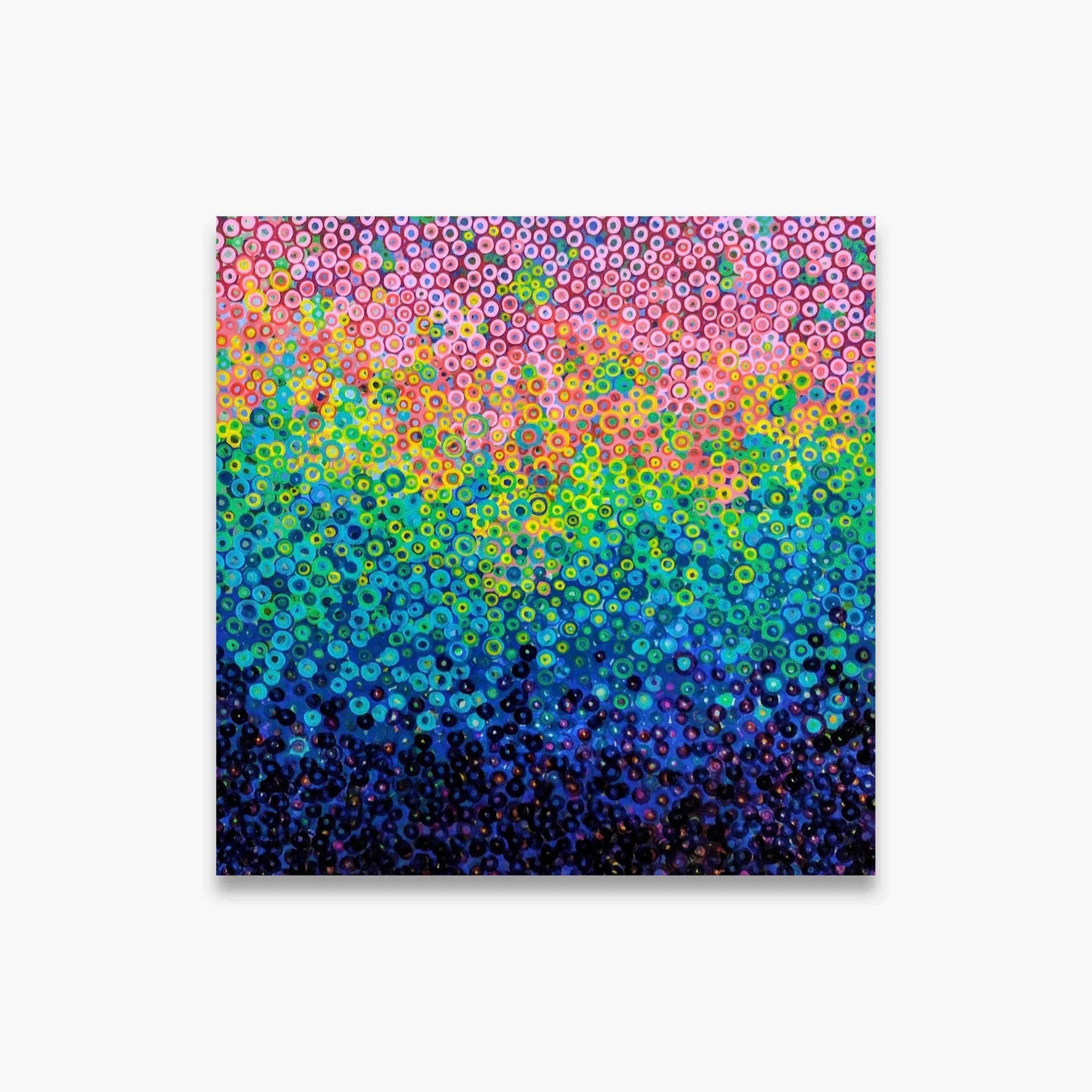
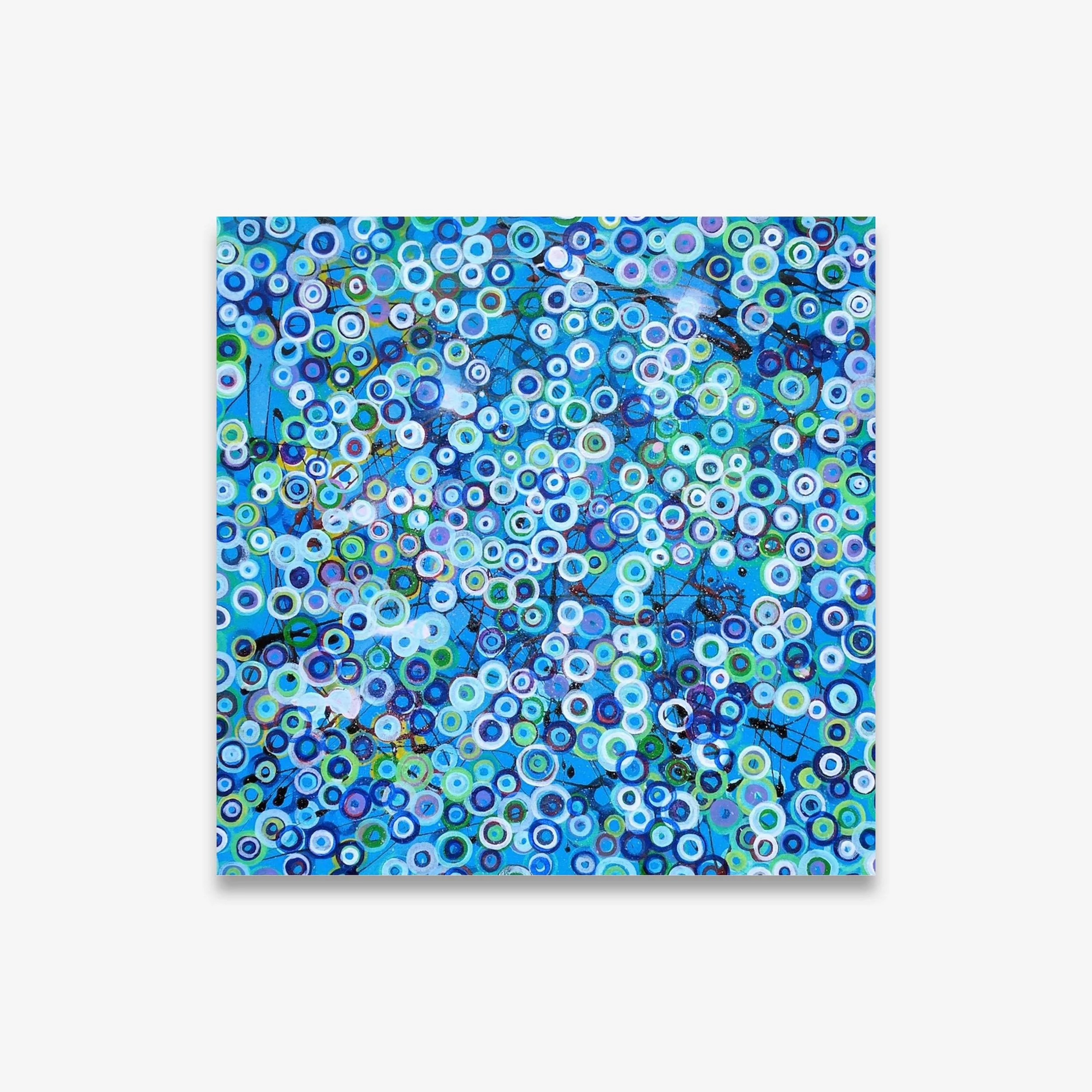
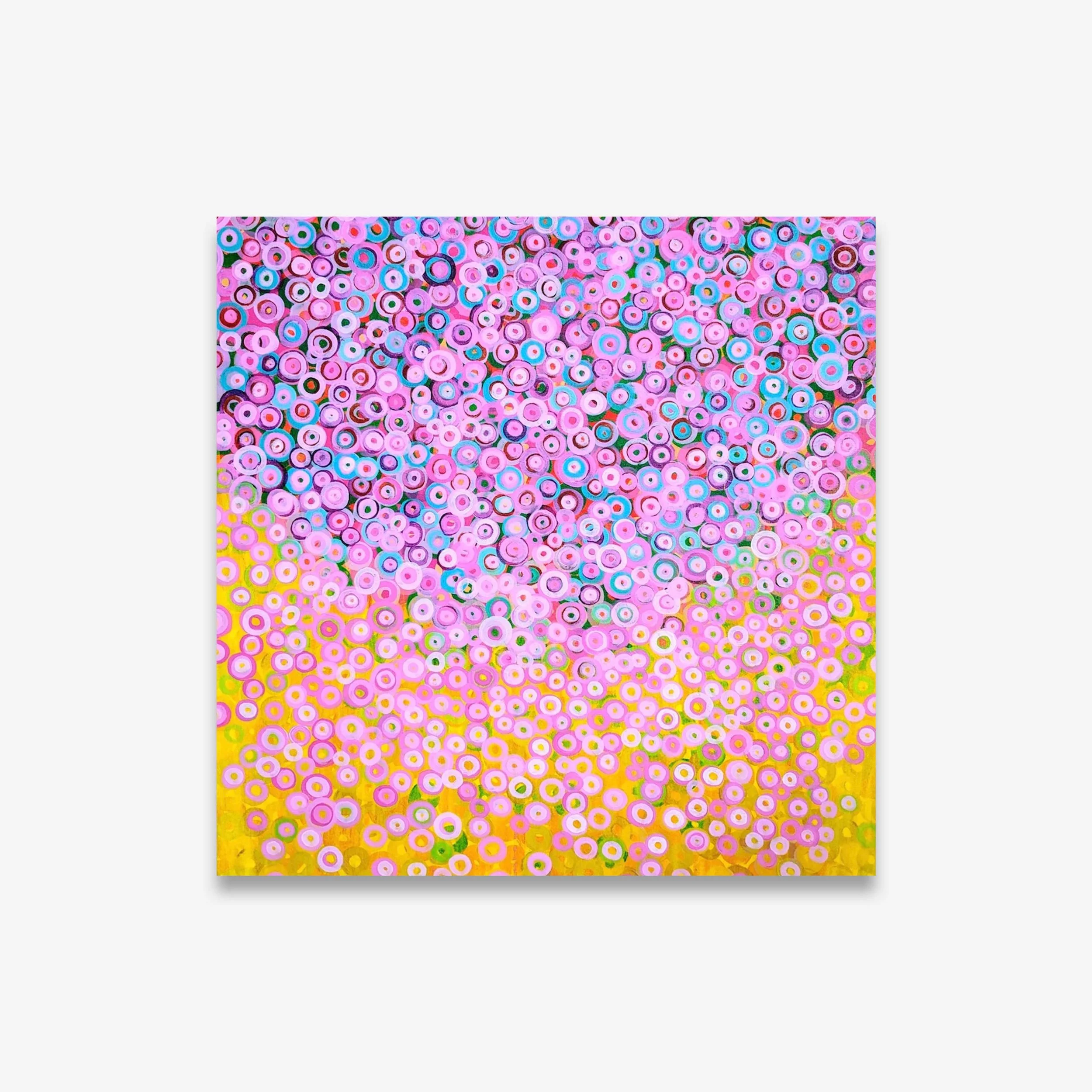
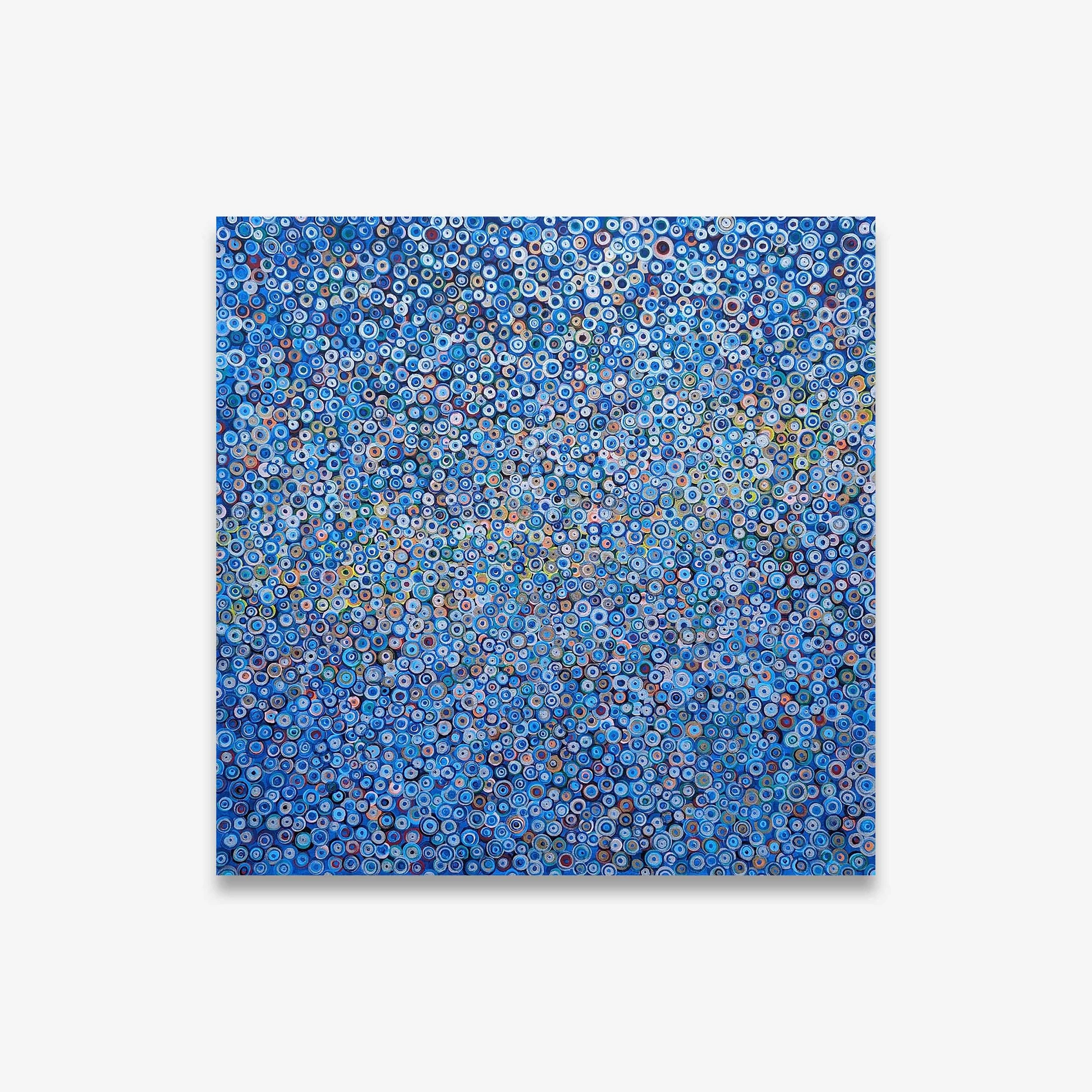
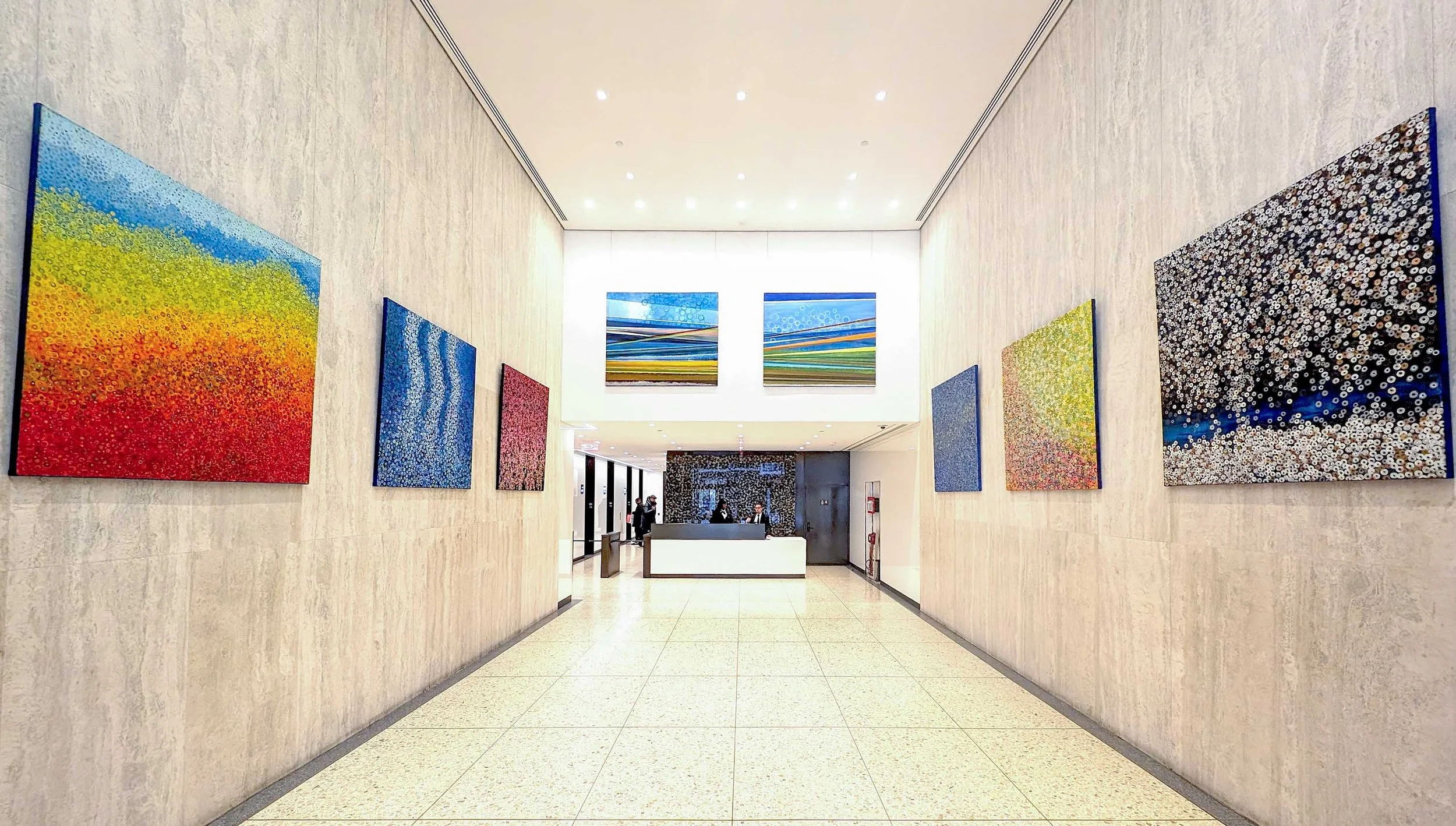
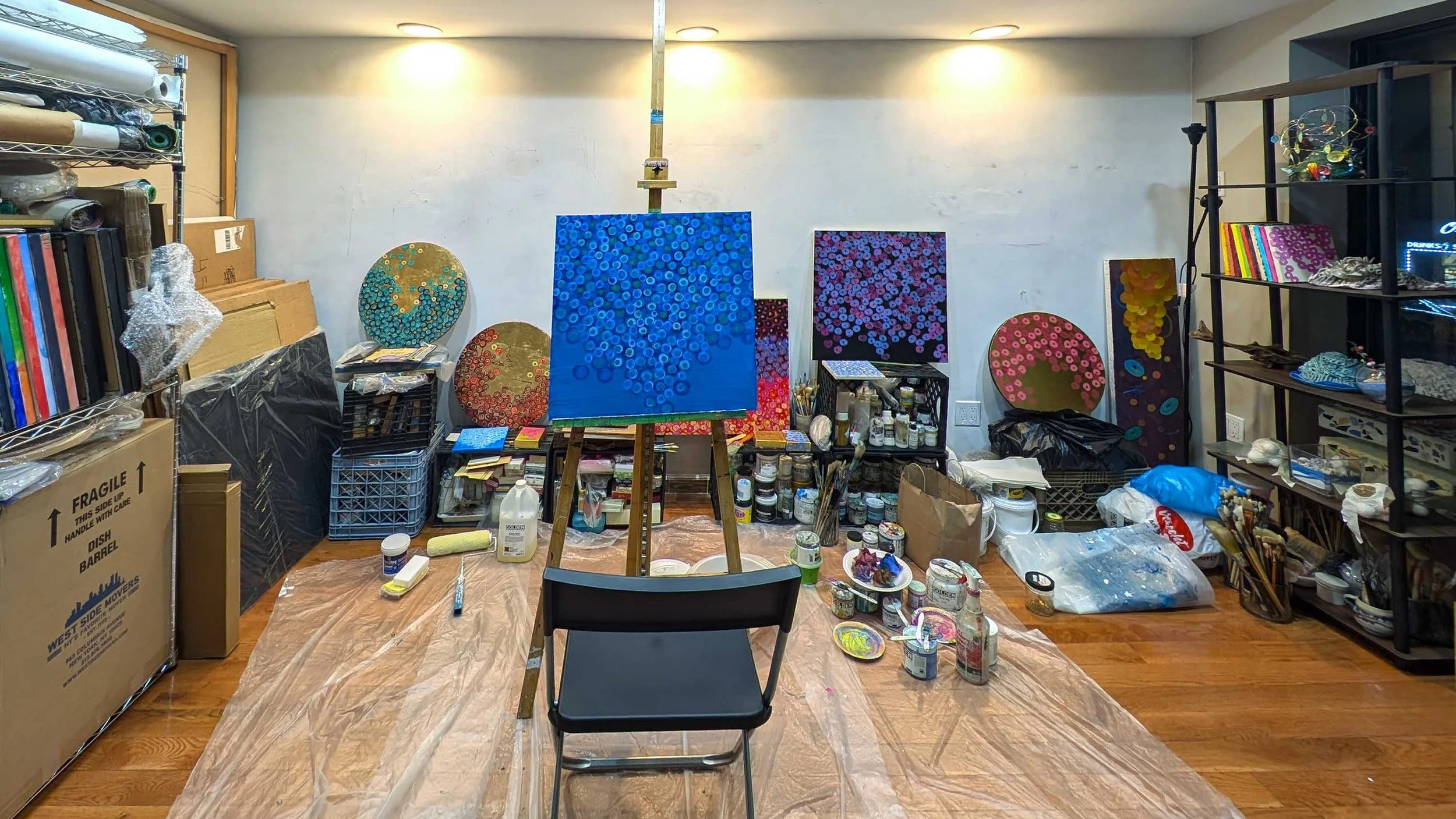
SC: I know because the artwork tells me when it’s finished. I really talk to the piece while I’m creating it. Making artwork is a collaboration between the piece and me. I listen to it, respond to it, and adjust things. Then we both know when it’s done. Many times, people ask me how I know my abstract paintings, with many circular shapes, are complete. The answer is something only between the painting and me.
Sometimes I become too aggressive and try to force the work to follow what I want. Then it starts to ignore me. When that happens, I can’t fix it, so I leave it alone, sometimes for years, until it feels calm again. So, I have many unfinished works in my studio.
TV: I actually understand what you mean. Sometimes both you and the work need time to adjust. Have you ever made something you were afraid to show?
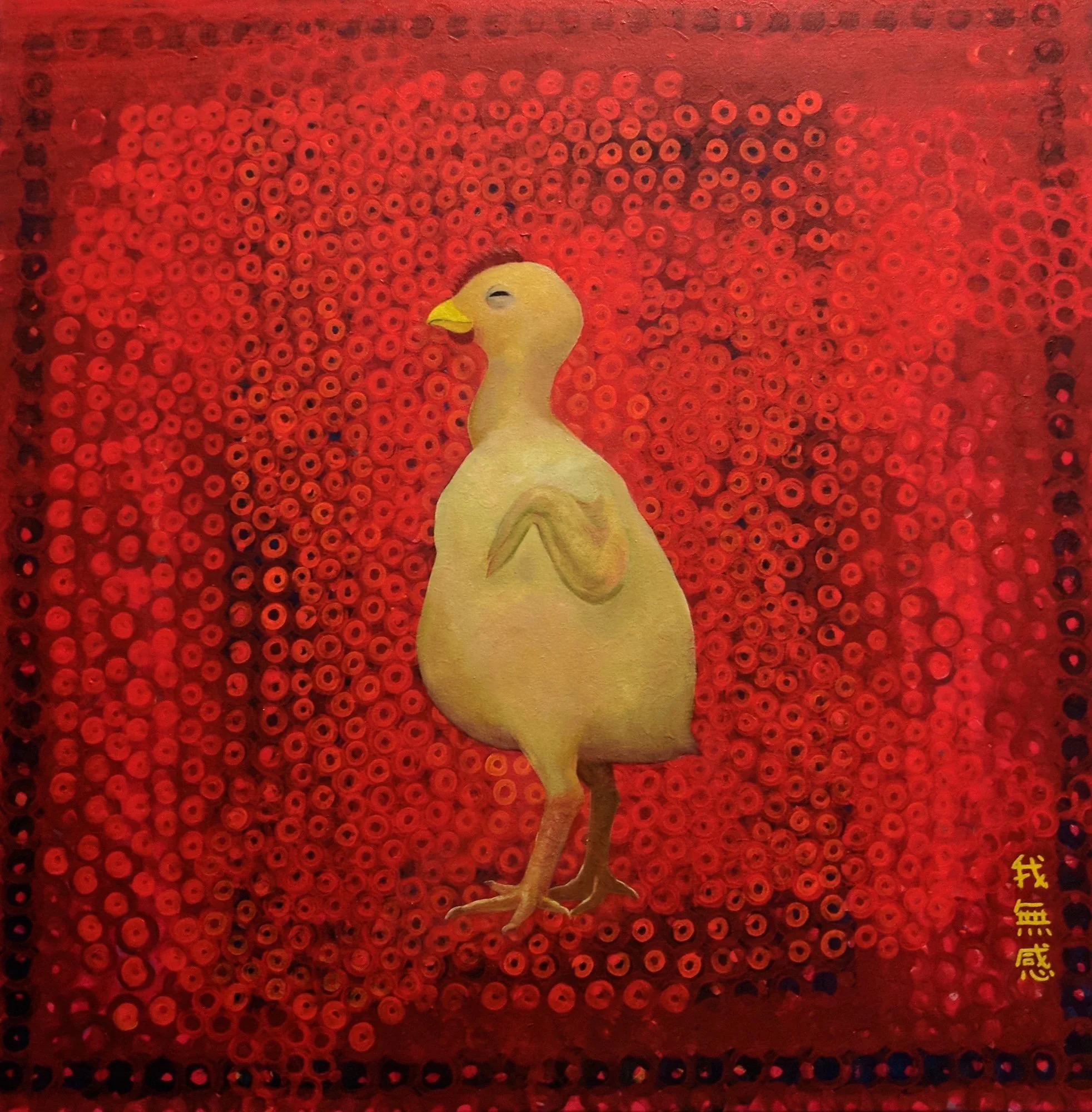
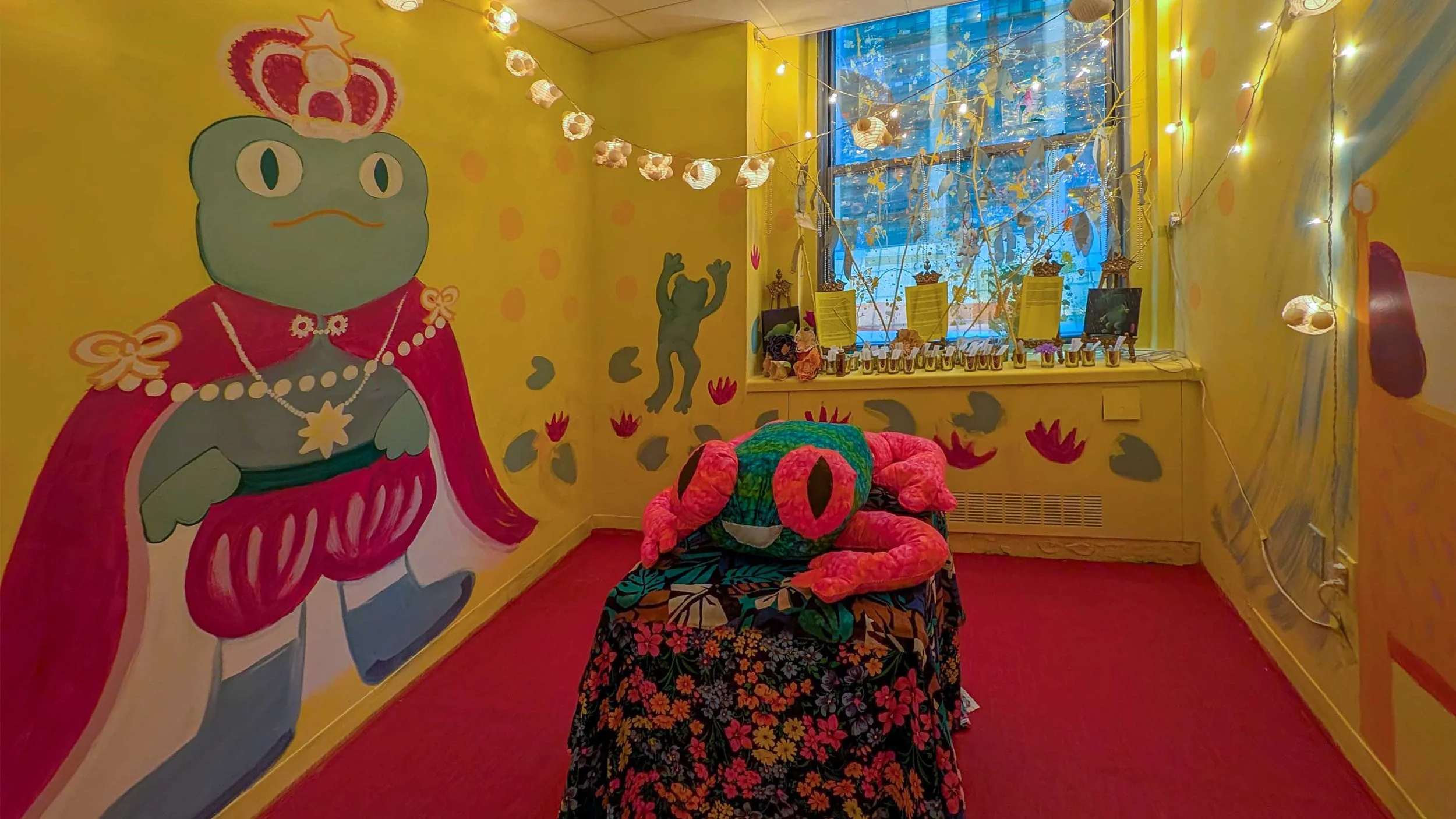
SC: Yes, many times. A lot of my work is very personal, and sometimes I didn’t even think about showing it to anyone. There are pieces I’ve kept in my studio for up to five years because I thought they were too strange. It’s funny, because those are the works that people respond to the most. For example, my froggies and the “naked chicken” piece, which was shown for the first time this year after nine years. I never expected curators to be interested in them; I thought they were too unusual. But I received many positive comments and responses. The visitors’ reactions were so interesting: surprised, smiling, and curious. I still have some series that I haven’t shown yet. Maybe in the future.
TV: It’s very intriguing to know that you have work that no one has ever seen. I know other artists with secret bodies of work, I think they often mean something different to the artists than they would to the audience and it’s okay to have something that is just for you. I know some artists who start pieces that they know they will never show. How about for you, how do you start a new piece? Do you work on more than one piece at a time?
SC: Always! I have so many ideas in my mind, and they all want to come out on canvas or in sculpture. My job is just to help them come out. But I don’t always have enough time, and more and more ideas keep coming—it’s like a traffic jam in my brain! So I often work on multiple pieces at the same time. Another reason I work on multiple pieces at once is that there are many steps in creating art. For painting, for example: I draw the idea on paper then plan the materials, techniques, and location where I will paint. Then purchase or acquire the materials. Assemble anything necessary like stretcher bars and stretch the canvas, apply gesso, then once it’s dry, I can finally start painting. Preparing everything usually takes 2 to 4 weeks. For sculpture and ceramics, the schedule is even tighter.
TV: Your work is all very visceral and physical. I’m curious if you have any thought on AI vs. Analog.
SC: I see “painting by hand” still shows a depth and warmth. Recently, I’ve noticed that people who have never been to art galleries or museums and are satisfied with just seeing art online. But once you truly see works of art in person, you can find the details like brushstrokes, layers of color on the physical surface, and you feel something completely different. That depth and texture are the most interesting parts. I like to find the “mistakes” like double lines or eraser marks or overlapping strokes. Those traces show humanity and warmth. Sometimes artists intentionally draw multiple lines to create softness and emotion. Those imperfect moments carry feeling. I’ve tried using AI many times, but at this point, it still feels very limited, not like imagination. It can generate images, but it doesn’t carry the same presence or lived experience. For now, AI still can’t beat painting by hand. I don’t know what the future will be, but I believe in human possibility.