
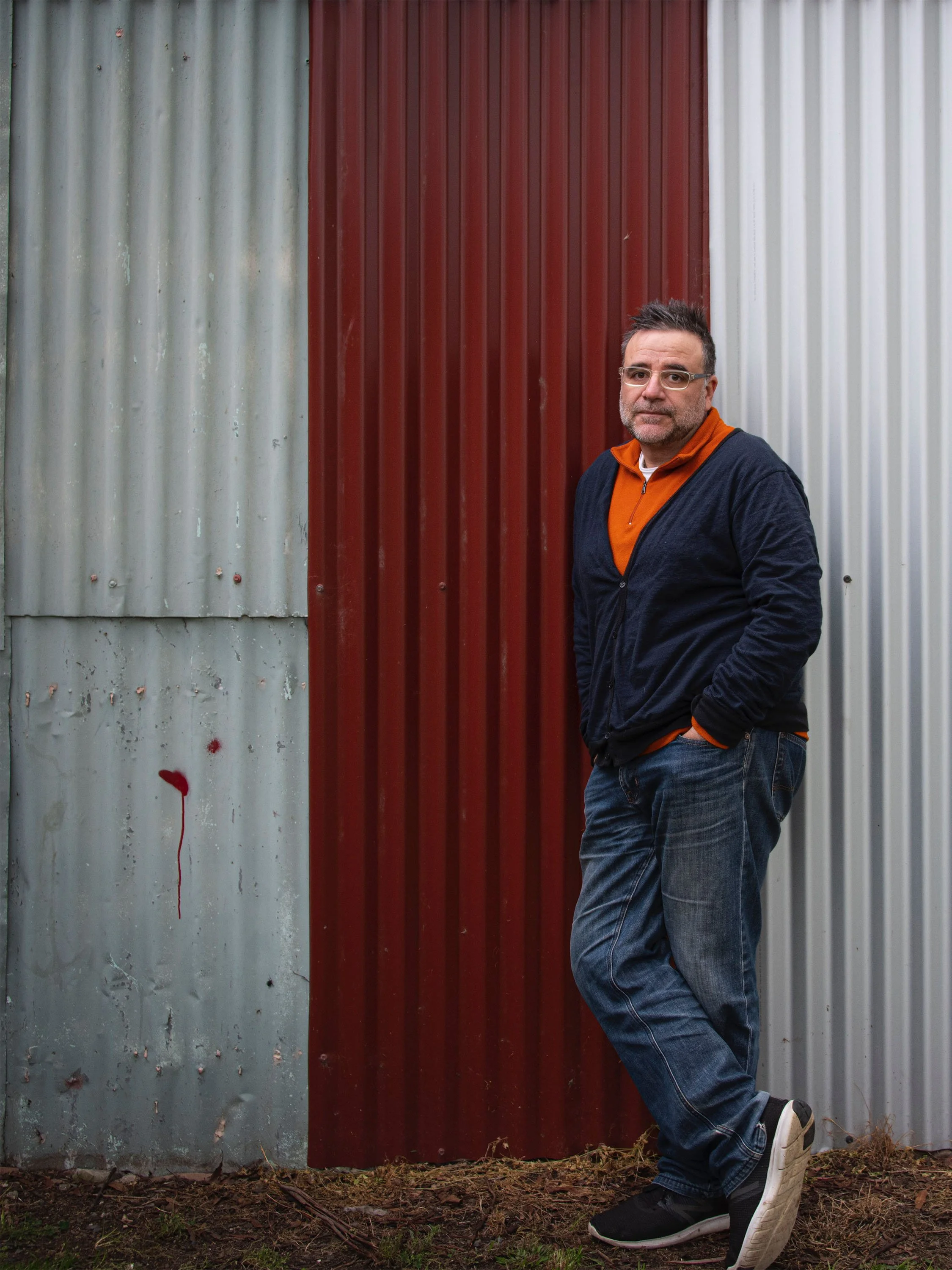
“Whether your work is political, represents history, or is a simple visual representation of your environment, won't make it any better just because of your noble intentions. If the art is any good, history will find a place for it somewhere.”
— Steve Lopes
TV: Hi Steve, I’m glad to catch up with you. We did a great video interview when you were in New York for your solo show at the gallery and I’m excited to dig deeper. You’ve exhibited all over the world including recent shows in Europe and in your home town, Sydney; you have works in museums and private collections, so I’m curious with all you’ve accomplished, what does it mean to be a successful artist in your mind?
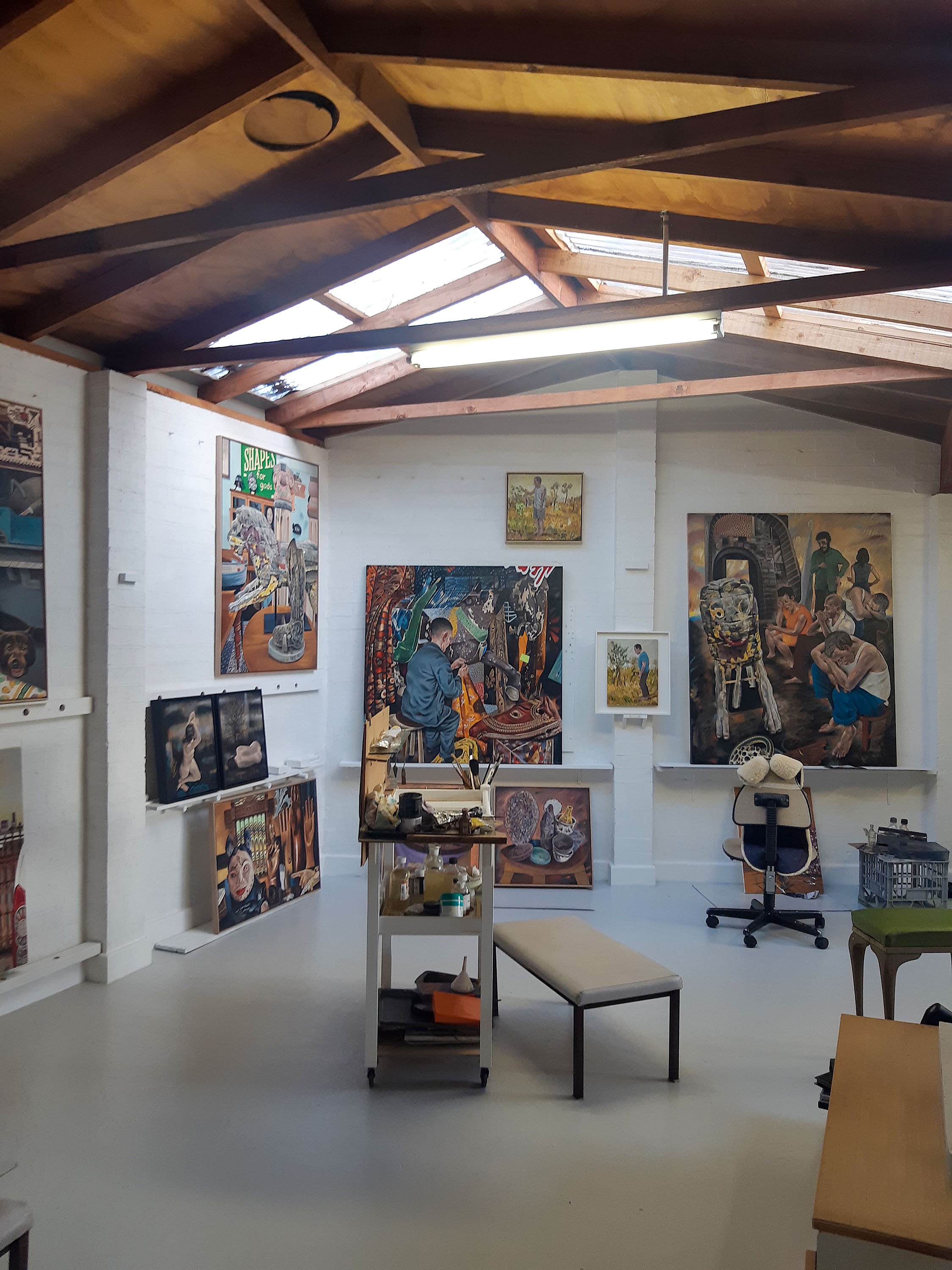
SL: To me, a successful artist is someone who is constantly pushing their ideas further, someone who is working outside their comfort zone. Within my realm of figuration and landscape painting I'm always thinking how I can visually improve my work and is it exciting me through the process? With this experimentation or visual risk taking comes a certain level of uncertainty one learns to live with. I admire artists who are prepared to not compromise, who don't constantly repeat themselves and are pushing their visions despite the consequences. Some of my favorite artists, like Frank Auerbach, Lucian Freud, William Kentridge, Marlene Dumas and Sidney Nolan, have been prepared to take their work to darker areas or on the edge, and I admire their bravery.
TV: I’ve always thought it takes a lot of guts to put yourself out there as an artist. Sharing what is in your mind and preparing to be strictly judged by your ability and means of conveying your thoughts. It’s interesting you reference specific artists who you think accomplished this, but to them, they may have felt the same fears or reservations. Do you think artists today have a responsibility to do their part for future history?
SL: Yes and no. I don't subscribe to the black and white idea that art has a responsibility to anything. That said, good art responds to the times and the current world it exists in. Art is an intensely personal and inner response to the experience of the creator and the viewer. There is no one way to make it or look at it. It reflects our individuality and can represent our commonalities all at the same time. That's what makes it so special. That is the reason art and poetry is so human and so important, especially now in our technology-driven age because it reflects our humanity so individually. Whether your work is political, represents history or is a simple visual representation of your environment won't make it any better just because of your noble intentions. Good art has a certain magic to it, a chemistry that incorporates the artists life, experience, ideas, vision and even technical understanding.
If the art is any good, history will find a place for it somewhere.
TV: That is such a simple and profound way of looking at it, and I think very fair. What do you hope people feel, or not feel, when they encounter your work?
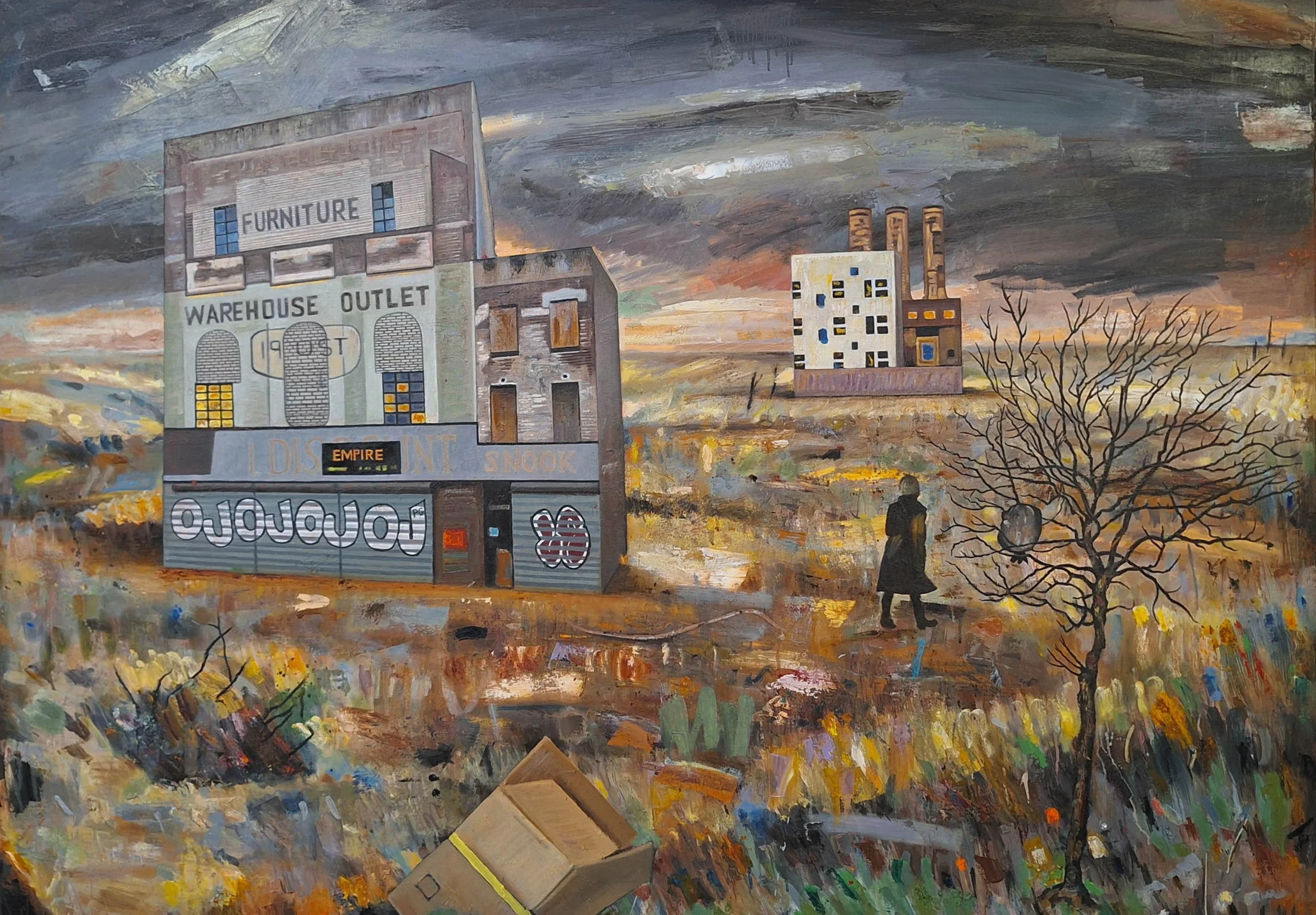
SL: I hope people feel there is a level of honesty to my work. My paintings often have a slight visual discord to them; some little element of “all is not what it seems”, but I try to keep it human and over time people connect to something of their own experience in what I'm trying to portray. That's the aim, I guess!
I find I need more than a straight representation visually in the work I do, and an element of strangeness keeps me interested throughout the process of working. I hope people come along for the ride when they are seeing my shows.
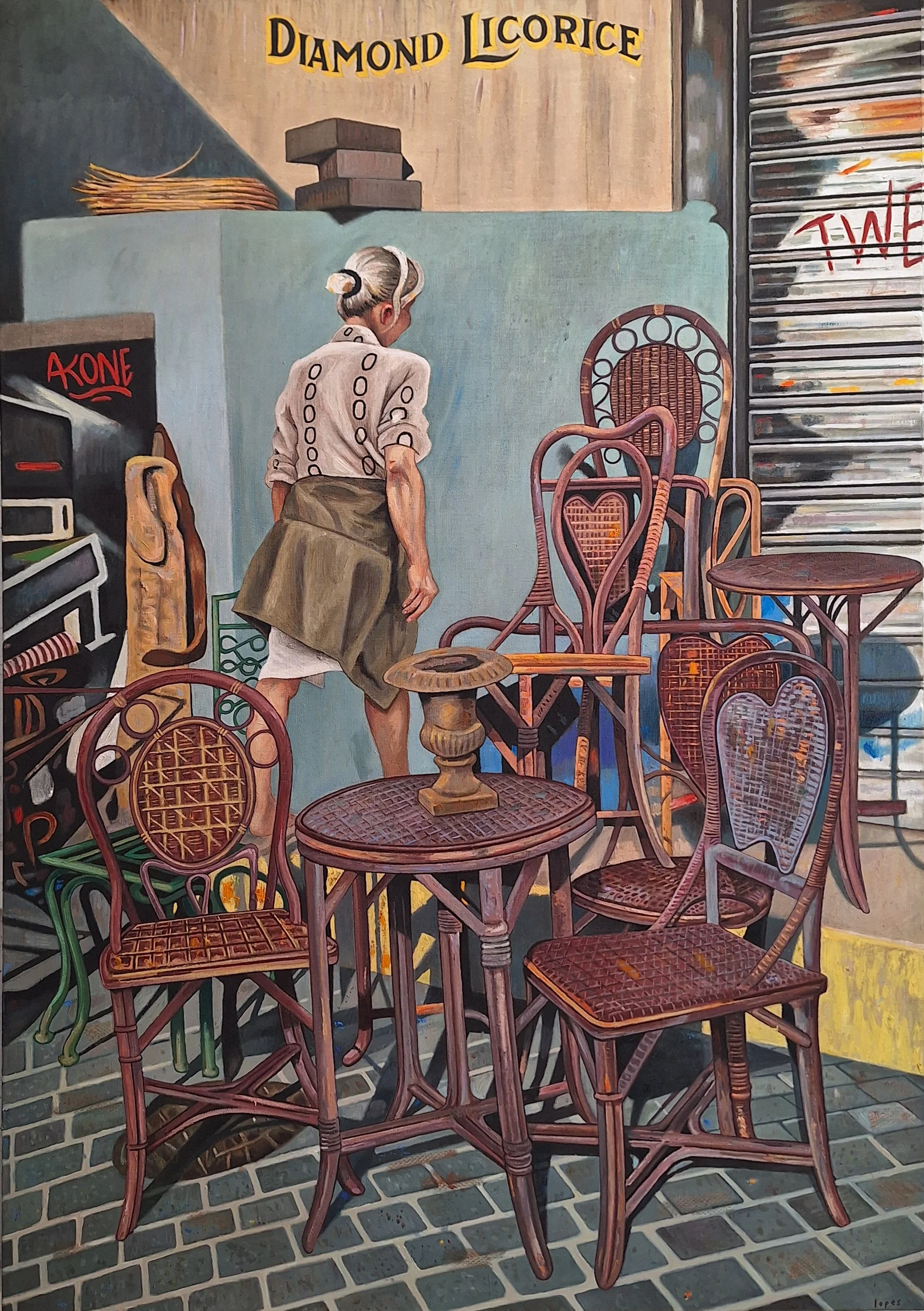

TV: In a way, it sounds like you see art as a mechanism for guiding people toward ideas you want to share. Anyone who knows you or has seen your work would know you do have a lot to share. Has art ever helped you process something painful?
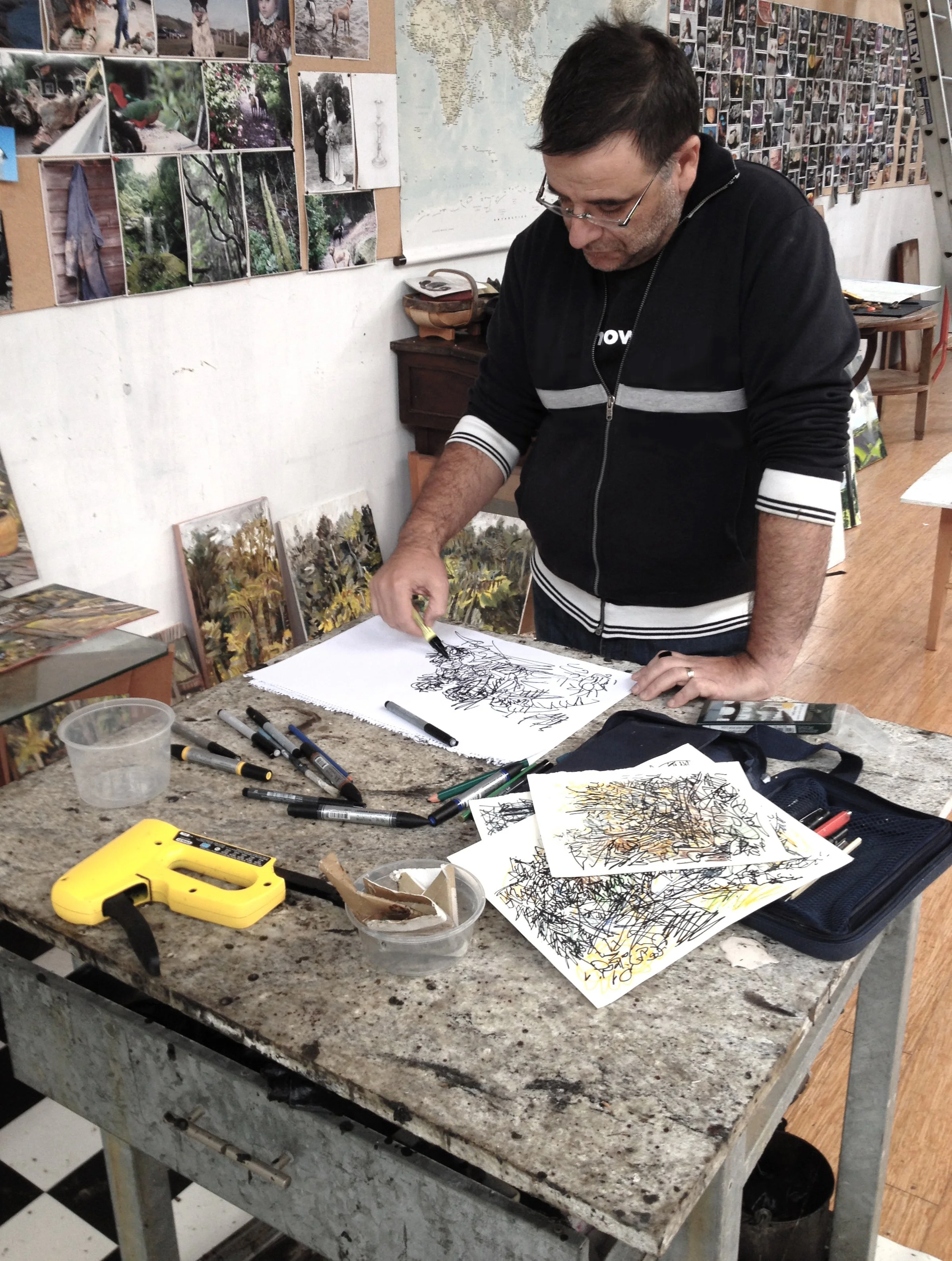
SL: All the time. I feel lucky that I spend every day in the studio, and through that I have the chance to work through difficult ideas, my own experiences and the general annoyances of life, and painting helps that. I often paint my way out of troubles and an artist's life can be difficult but also therapeutically rewarding. They are long days in the studio and a lot of thinking gets done. When my father passed away, I found I dealt with some of the grief by using it in my painting. Art was a helpful way for me to come to terms with it.
TV: I recently did an interview with an artist who talked about painting as journaling, and being able to release difficult ideas so that once they’re in a painting, they’re out of his head. This sounds similar and effective. So what is starting a new painting like for you?
SL: I start with a warm red underground layer. I hardly ever start on a white canvas. Then I always work on 5 to 10 pieces at any one time. I'm not sure why but that way I don't get bogged down on one area for too long. Sometimes artists can get too concerned with a picture and end up controlling it too much, or visually choking the image. What I mean by that is the image can get overworked and heavy. By working on a series of images the painter has to respond day by day to changing compositions across a different number of works and pace themselves accordingly. I find I listen to what the painting is 'telling me to do' more than controlling it myself. Sometimes this leads to a fresher response and more experimentation in the work.
TV: This would be very interesting for an art historian to dissect and analyze. As an artist with a long career already, how do you think we could improve the appreciation of art and the art world?
SL: Through more quality art education in the school system and a concentrated effort of arts funding for the emerging generations. I think we need to improve the importance art holds in our value systems across the world. There seems to be a global slackness in the quality of arts coverage, of what constitutes good art, and we need to highlight and more thoroughly question the unregulated focus of market-driven and 'fashionable' art. Media, editors and communication systems need to cover more arts and artists, and employ more writers and critics to discuss and regulate the artworld.
TV: Spoken like a true artist and someone with a bright outlook for the future. It’s so nice to learn more about your ideas. Thanks so much Steve.
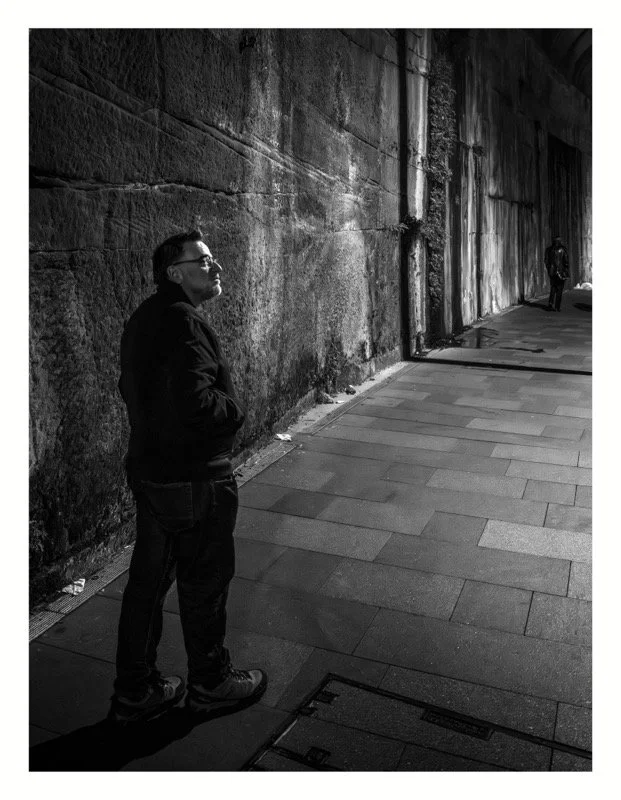
Steve Lopes lives and works in Sydney, Australia